























Global Business · Australia Guide 2026
Australian Directory Visibility: A Checked Customer Path
JASOTO · Updated 5 October 2026 · 314 words

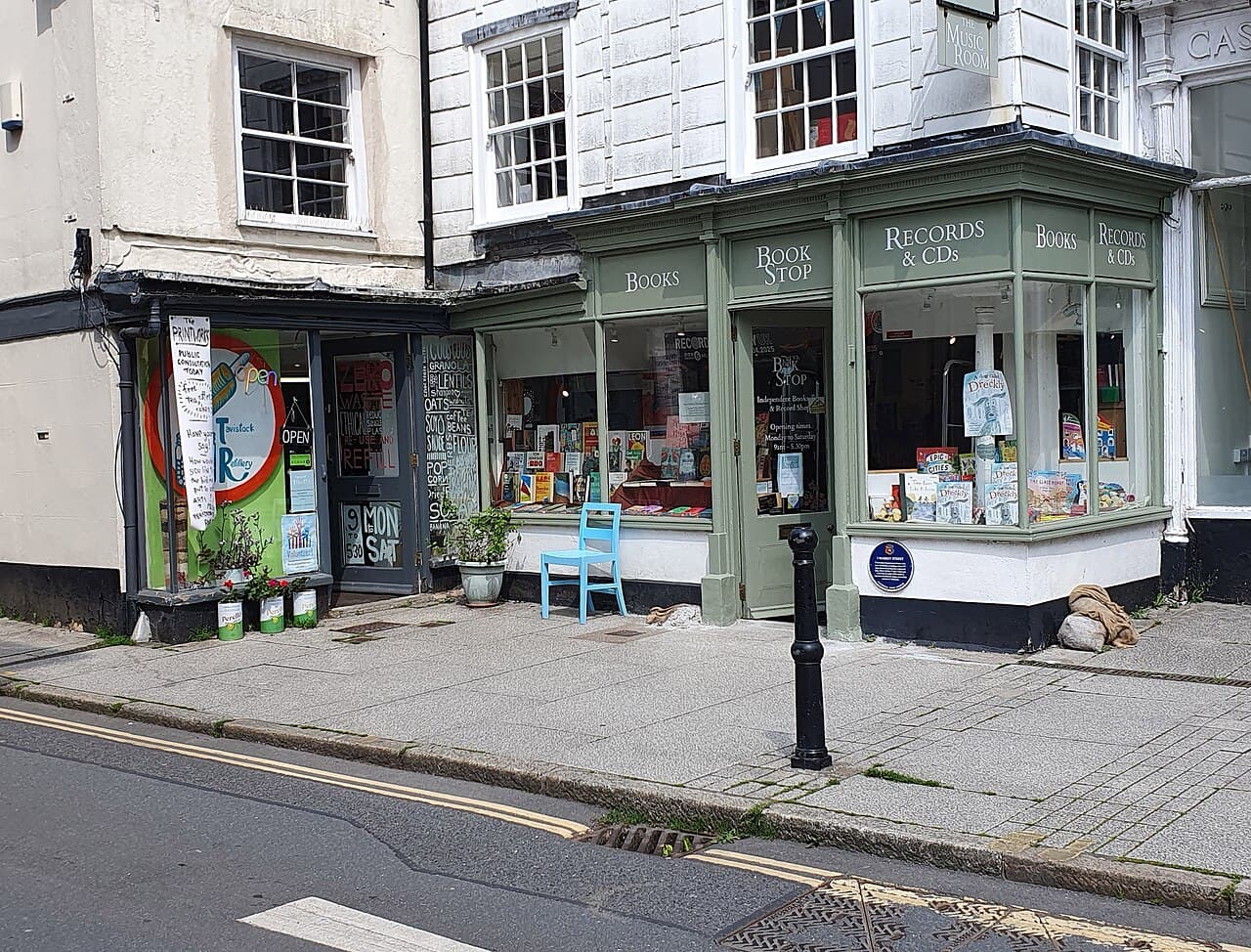
Photo: Mikael Blomkvist / Pexels. Stock photograph for illustration; no JASOTO customer, listing, tested product or endorsement is implied.
For an Australian small business, directory visibility is useful when a customer can identify the actual operation and take a supported next step. Start with accurate public details and the route from the entry to assessment. A new directory account cannot by itself establish local demand, a branch in another town or a measured increase in accepted work.
Practical next steps
- Choose directories with a useful customer purpose.
- Verify identity, premises and coverage.
- Explain the actual service and next decision.
Choose directories around a real customer decision
Identify where suitable customers have actually found the business and what they need to decide before contacting it. Check whether a proposed directory supports a clear service description and correct destination. Avoid assuming that every available platform needs an entry when the team cannot maintain its details or assess the requests it attracts.
Match identity and location to the genuine operation
Google’s representation guidance covers accurate identity and eligible locations. Compare public name, address and service-area information with how the business actually operates before editing a profile. A correspondence address or town targeted in promotion should not imply a staffed branch or walk-in facility that customers cannot use.
Source: Google Business Profile: representation guidelines. Check the source for current guidance and terms.
Make the directory description useful at the first assessment
Explain the services available and actual location coverage, with important exclusions visible. Keep specialist claims tied to evidence the business can verify. Clarify whether contact starts an assessment, quote or booking process so a short promotional description does not promise acceptance of work before staff have checked the request.
Test the contact destination and preserve customer context
Open the public phone or website link and check where it leads on a mobile device. Use a permitted test to confirm that the monitored owner receives the relevant service and location details. Keep acknowledgment wording accurate about receipt, and provide a fallback when the route fails rather than assuming a listing view proves successful contact.
Review suitable requests and the cost of maintenance
Track where assessed requests came from, accepted work and cases outside the service boundary. Record time spent updating listings and resolving wrong details alongside any observed outcome. More entries or views do not substantiate useful growth; maintain the channels that serve the customer journey and investigate weak handoffs before widening promotion.
Checks before proceeding
- Choose directories with a useful customer purpose.
- Verify identity, premises and coverage.
- Explain the actual service and next decision.
- Test contacts and record suitable assessed requests.
Frequently asked questions
Does another directory entry create a branch?
Describe only the premises and service arrangements the business actually operates.
Do views prove accepted work?
Track assessment and acceptance separately from exposure.
Explore JASOTO tools
Check the service and contact arrangements
Compare public information with the operation your team actually supports.
Browse business listings