























Global Business · Australia Guide 2026
Australian Websites: Clear Services and Reliable Contact
JASOTO · Updated 4 October 2026 · 436 words

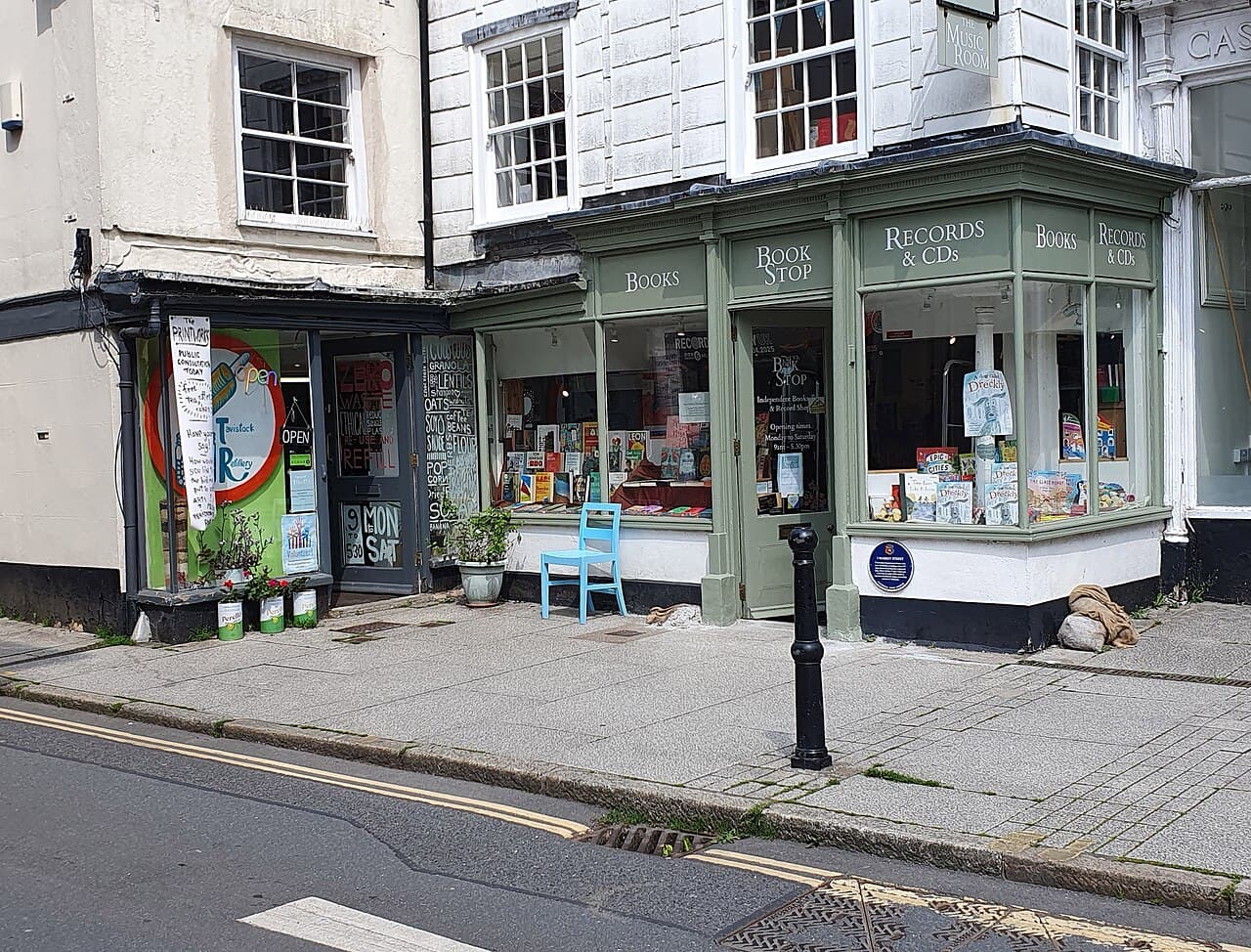
Photo: Marek Levak / Pexels. Stock photograph for illustration; no JASOTO customer, listing, tested product or endorsement is implied.
Website visibility should lead to an explanation a visitor can use and a contact process that works. For an Australian business, test the service page through to the team receiving the request. Make location coverage and appointment details explicit where they matter, and check the page on a phone before assuming a search visit or a successful-looking form proves a useful customer journey.
Practical next steps
- Define the page’s actual purpose.
- Verify suburb coverage and readable details.
- Test mobile labels and request delivery.
Decide what the website needs to do
business.gov.au’s website guidance starts with planning the website and its purpose. Identify whether this page helps a visitor compare services, ask for an estimate or book an available slot. Keep the main explanation attached to that goal, rather than adding unrelated text that makes the service and next action harder to find.
Source: business.gov.au: setting up a business website. Check the source for current guidance and terms.
Show the real service and suburb boundary
Explain inclusions, relevant exclusions and the suburbs or regions the business actually serves. Tell visitors how staff assess an address outside normal coverage. Keep essential details in readable page content instead of relying solely on an image, and do not use a city or state label to imply an office or service commitment that does not exist.
Check mobile forms and instructions
Use visible labels and explain what information staff need at the inquiry stage. W3C provides guidance on associating labels with controls. Test the form on a phone with realistic permitted values, verify usable errors and provide another contact route. A required field should not demand private job documents when a broad service description is enough to begin assessment.
Source: W3C WAI: labeling form controls. Check the source for current guidance and terms.
Clarify prices and appointment times
Identify the currency and scope of displayed amounts, and make the location or time zone of a remote booking clear where needed. Verify the offered slot and price wording against the actual booking process. A display of available-looking times should not become a promise of acceptance if staff still need to confirm travel, duration or availability.
Verify delivery and confirmation together
Submit a permitted test request and confirm that it reaches the monitored destination with the information staff need. Check whether the confirmation correctly says received or accepted, and whether the next response is realistic. Fix broken destinations before judging traffic changes. Better page explanations do not guarantee indexing or rankings, so keep customer journey checks distinct from search reporting.
Checks for the actual business
- Define the page’s actual purpose.
- Verify suburb coverage and readable details.
- Test mobile labels and request delivery.
- Check prices, times and confirmation status.
Frequently asked questions
Does a successful-looking form prove staff received it?
Verify actual delivery to the monitored destination with a permitted test.
Should a service page promise search rankings?
Describe useful service facts and assess the journey without promising indexing or positions.
Explore JASOTO tools
Check the actual business information
Compare public details with the service and contact arrangements your team supports.
Browse business services