























Global Business · Canada Guide 2026
Canadian Local SEO: Actual Coverage and Business Facts
JASOTO · Updated October 4, 2026 · 414 words

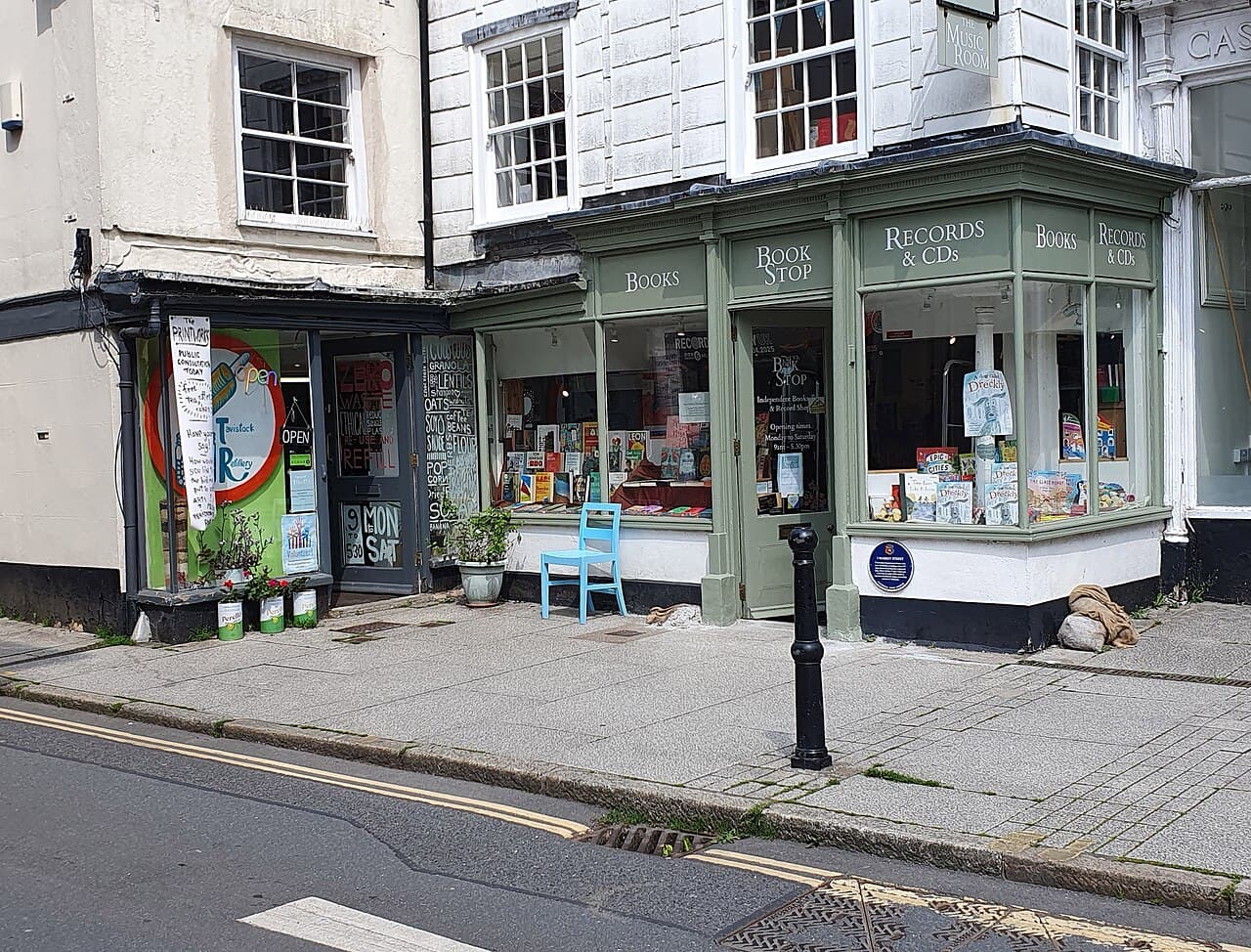
Photo: Pexels contributor / Pexels. Stock photograph for illustration; no JASOTO customer, listing, tested product or endorsement is implied.
A Canadian local business page should help someone determine whether the team serves their actual address and can handle the requested work. A province name alone does not answer that question. Start with real municipality coverage, current contact arrangements and the languages staff can support, then check that published information matches the offer customers receive.
Practical next steps
- Verify municipality coverage.
- Check actual profile eligibility.
- State supported contact languages.
Describe the real service boundary
Name municipalities or neighbourhoods the team actually serves and explain how an address outside the normal area is assessed. Avoid presenting a whole province as guaranteed coverage when travel or staffing limits apply. A visitor should understand whether the next step is a coverage inquiry, an estimate or an accepted appointment rather than infer availability from a location keyword.
Check profile eligibility before adding locations
Google’s Business Profile rules distinguish eligible customer-facing operations from online-only businesses and other ineligible arrangements. Check the actual location and customer contact model before creating a profile. Do not use a virtual address to imply a staffed branch or add municipality profiles merely because the business hopes to attract customers there.
Source: Google: business representation and eligibility. Check the source for current guidance and terms.
State the languages the team can support
If staff can provide service in English, French or another language, explain the actual contact options and any limitations. Keep translated service details consistent with the offer. Do not claim every Canadian business must offer the same language options or publish a fluent-looking page when nobody can handle the customer’s subsequent inquiry in that language.
Make quote and contact details clear
Identify the currency used when displaying prices and distinguish a starting price from a confirmed quote. Explain what information staff need to assess the request without inviting unnecessary private documents into a public form. Keep the phone, contact destination and response arrangements current so a municipality-specific page leads to the correct team.
Review inquiries against actual coverage
Look at received requests and whether staff could serve the address, language preference and requested work. Use repeated mismatches to improve the coverage explanation. More town-name pages do not prove better search positions or increased completed jobs. Keep changes tied to useful customer decisions and verified operations rather than inventing local experience.
Checks for the actual business
- Verify municipality coverage.
- Check actual profile eligibility.
- State supported contact languages.
- Clarify currency and quote scope.
Frequently asked questions
Should every municipality get a separate profile?
Check Google’s eligibility rules for the actual operation; a desired service area alone does not establish a separate eligible branch.
Should a page promise province-wide service?
Describe the real boundary and explain how staff assess requests beyond it.
Explore JASOTO tools
Check the actual business information
Compare public details with the service and contact arrangements your team supports.
Browse business services