
Sexual Wellness · Adult shopping guide 2026
Couples’ Games and Date-Night Gifts 2027: Pick a Format That Fits You
JASOTO · Updated 5 November 2026 · 3,150 words
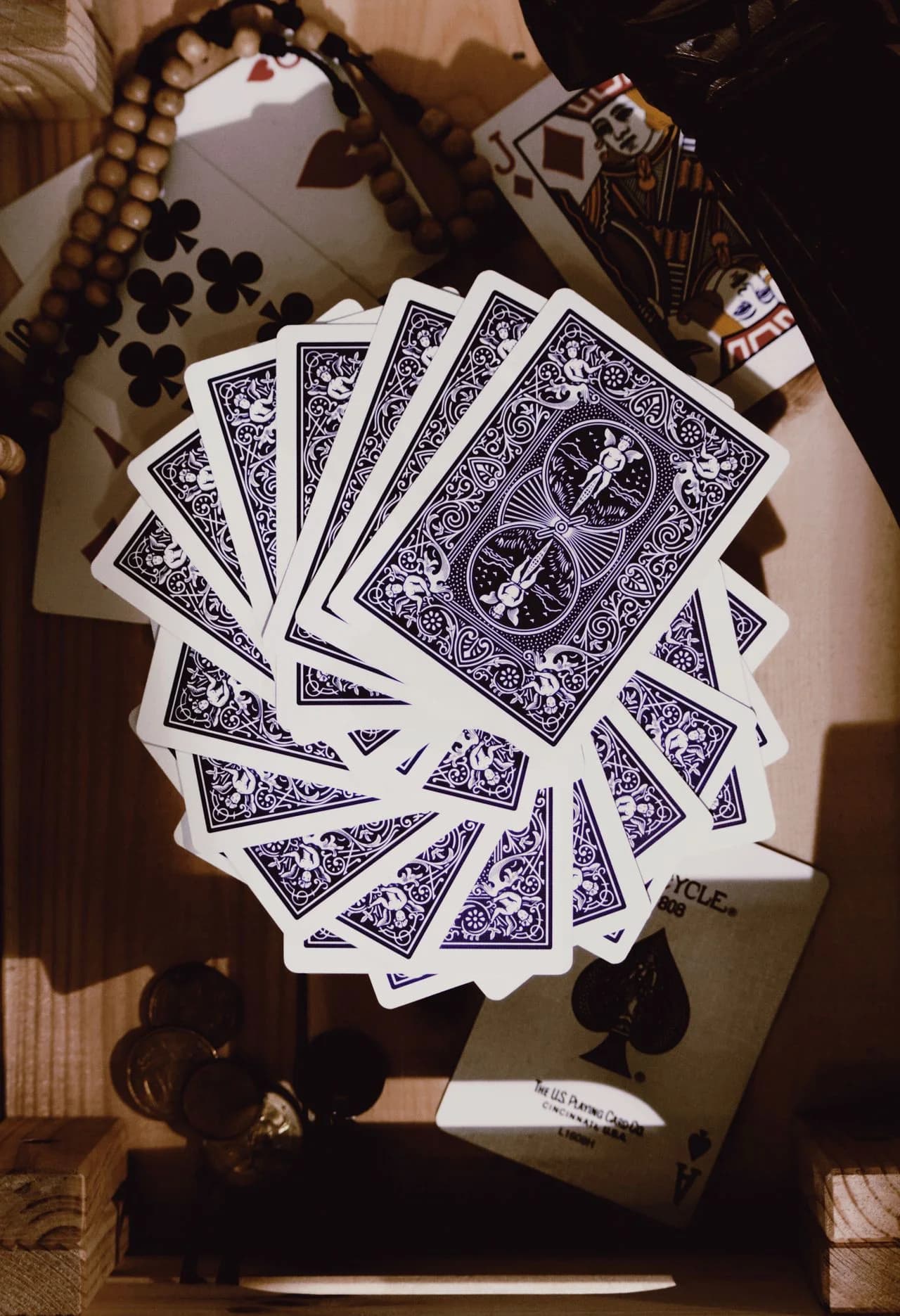
Illustrative stock photograph: Alessio Medini / Pexels, used under the Pexels License. Resized and converted to WebP. It does not show a tested House of Lucifer product or imply the photographer’s endorsement.
A couples’ game can be a modest, thoughtful gift when its format suits the people receiving it. It can also become an expensive box of prompts nobody wants to answer. For adults planning date-night gifts in 2027, the useful comparison is less about a dramatic name on the packaging and more about tone, rules, time, replay value and the freedom to skip anything uncomfortable.
This guide looks at choosing adult-oriented games and companion gifts without reproducing explicit prompts or promising relationship outcomes. It is a shopping framework, not a claim that a particular deck will improve communication or create a perfect evening. A good choice makes room for both people’s preferences, including choosing a quieter alternative or stopping the game altogether.
Choose the format before the box
- Agree whether you want conversation, humour or a more structured game.
- Check examples, rules, age guidance and player numbers.
- Make passing or stopping an ordinary option.
- Judge replay value against your actual routine.
- Avoid buying a large bundle just to create a date-night occasion.
Start with what each person enjoys
Ask what a successful evening would feel like to each person. One adult might enjoy gentle conversation while another prefers a puzzle, a film or something with clear scoring. A product marketed to couples does not settle those preferences. Before shopping, agree on the broad type of activity and anything either person wants to avoid. That conversation can be brief and practical. You are choosing a leisure purchase, not conducting a test of how adventurous, affectionate or open a partner is willing to be.
A useful brief might be a short game for two adults, readable cards and no requirement to discuss private history. Another couple might enjoy humorous questions but dislike competition. Write those requirements in ordinary language and use them when comparing listings. If the people involved have not asked for an adult-themed game, do not assume it is an appropriate surprise. A conventional card game or another shared activity can be a better gift when the intended tone is uncertain.
Understand what the category name can and cannot tell you
House of Lucifer’s adult games collection is a place to discover relevant products, but the category itself does not tell you the exact tone, mechanics or content of every item. Open the individual listing and look for a description of the format, sample material where provided and the rules. Do not infer that a playful-looking box contains only mild conversation, or that a product with a bold title necessarily requires a particular kind of activity.
Record the full title and edition of any shortlisted game. Publishers may sell several products with similar names, different card sets or different age guidance. A review of one edition may not describe another. If the listing does not provide enough information to judge suitability, ask the retailer or publisher for a non-graphic explanation of the format. The aim is to understand what you are buying without needing to disclose personal details about the people who may receive it.
Separate conversation decks from games with rules
A conversation deck may offer prompts without a winning condition, while a structured game may involve turns, scoring, timed tasks or a fixed ending. Neither format is inherently better. The distinction matters because the experience of opening a deck and choosing a question is different from learning a rulebook. Ask whether the recipient enjoys that kind of setup. Someone who wants an easy conversation starter may find a complicated scoring system unnecessary; someone who likes clear objectives may find an open-ended deck vague.
Look for practical information about what happens on a turn and how a session ends. Avoid buying solely on the number of cards. A smaller deck with understandable instructions can be more usable than a large box whose format is unclear. If the seller describes the product only through broad promises about fun or connection, treat the mechanics as unresolved. Those promises are not a substitute for knowing whether the contents match the kind of evening the recipients actually want.
Check that the player count matches the occasion
A product sold in an adult gift shop may be intended for a group, a party or more than two people. Read the stated player count and any explanation of how a two-player version works. Do not assume a party game becomes a couples’ game merely by leaving out the other participants. Some formats depend on group voting, teams or a host. Buying a product whose central mechanism does not fit the occasion can leave the recipients inventing rules before they have even started.
For a gift, make the intended use clear without placing pressure on anyone to arrange a gathering. A private date-night present and a group party present involve different audiences and comfort levels. If the game might be opened with friends present, consider whether that audience has agreed to the theme. Avoid including private references in a gift message that would be awkward in company. The most considerate choice fits both the number of players and the social setting in which it is likely to appear.
Look for tone rather than relying on colour and branding
Packaging can suggest humour, romance or novelty, but it cannot reliably explain the tone of every card or page. Seek the publisher’s description and any suitable preview material. Check whether jokes depend on stereotypes, embarrassment or revealing personal information, and whether that is something the intended adults would welcome. A game can be lively without turning a partner into the subject of a public joke. Do not mistake a marketing adjective for a meaningful content description.
If there are no examples, ask a specific question such as whether the format is conversation-based or task-based and whether players can freely skip. You do not need a complete spoiler list to identify an obvious mismatch. Equally, avoid demanding that a retailer guarantee every individual reaction. Suitability is partly personal. The best available evidence is the documented format combined with the recipients’ stated preferences, rather than an assumption that a highly rated product will feel comfortable to every couple.
Make passing an ordinary part of the plan
Before playing, agree that either person can pass on a question, change the activity or stop without needing to justify the decision. This is a shared leisure choice, not a test with obligations. If the printed rules attach a penalty to declining something uncomfortable, you do not have to accept that structure as suitable for your evening. A gift should make it easier to enjoy time together, not create a situation where someone feels obliged to perform enthusiasm or reveal private information.
This agreement is useful even for apparently light-hearted games. A prompt can land differently because of context the other person does not know, or because someone simply does not feel like answering. Do not turn passing into a negotiation about whether the concern is reasonable. Move on or choose another activity. When comparing products, give clear, flexible instructions more weight than claims that a deck will push boundaries. The recipients should remain in control of what they do with the present after opening it.
Choose a realistic session length
Think about the time actually available. A short evening after work may not suit a product with extensive setup, many components or a long explanation. Look for a stated playing time, but treat it as guidance rather than a promise. Learning the rules and deciding which content suits you can add time, particularly on the first occasion. If the listing does not say how long a session takes, ask whether the game can be paused or played in a smaller selection of rounds.
A useful gift can offer a small activity rather than an entire evening’s programme. You might plan a meal and leave the game as an optional extra, with another ordinary activity available. That reduces the pressure for a new purchase to carry the whole occasion. Avoid buying multiple games merely to fill a schedule. Too many unfamiliar options can make the evening feel like product testing, whereas one well-understood format gives the recipients a clearer choice about whether it suits their mood.
Assess readability and handling
Check whether the listing shows the size of the cards, text or playing pieces. Small print, low contrast, fiddly packaging or tiny counters can make an otherwise appealing game inconvenient for some owners. If those details matter, ask for dimensions or an accessible explanation before ordering. Do not promise that a product is suitable for a particular disability or access need without reliable supporting information. The person receiving it is usually best placed to say which practical features would help.
Also consider language and instructions. A gift purchased from a UK shop is not automatically supplied with every component in the recipient’s preferred language. Where several editions exist, confirm which one is being sold. A simple format can be helpful, but simplicity should be established through the actual rules rather than assumed from a small box. These checks may feel less exciting than choosing artwork, yet they often determine whether the gift can be enjoyed without extra work, translation or improvised adaptations.
Explore playful alternatives without enlarging the order automatically
House of Lucifer’s fun and games collection offers another route into novelty and leisure products. Use it to compare formats rather than as a reason to add several items to a basket. A novelty present can work when its joke is welcome and its usefulness is understood. It can also be a poor fit when the recipient wants something calm, reusable or discreet. The right category depends on the person, not on whether the retailer groups several products under a broad entertainment heading.
Make a distinction between the main gift and an optional extra. If the core idea is an evening together, the main contribution may be choosing a convenient time and making a wanted plan. A small game can support that plan without becoming a large themed bundle. Set a spending limit before browsing accessories and ask what each extra actually adds. If an item is there only to make the parcel look fuller, it may not earn its place in an otherwise thoughtful present.
Consider a book as a different kind of gift
A book offers a different pace from a turn-based game. The recipient can browse privately, leave it aside and return later without arranging a session. House of Lucifer’s funny adult books collection can help identify relevant titles, but check the individual description, format and intended audience. A humour title, activity book and advice book have different purposes. Do not buy one expecting it to perform the role of another simply because they share a gift category.
For a couple, ask whether the book is genuinely a shared interest or mainly something one person wants the other to read. A present should not disguise criticism or an instruction to change. If the title contains advice, do not treat it as qualified professional guidance merely because it is sold by an adult retailer. Preview the tone where possible and choose it for the pleasure or interest it is likely to offer, without attaching promises about how it will affect the relationship.
Judge replay value honestly
A large card count does not automatically mean many enjoyable sessions. Some prompts may be one-off questions; others may work differently on another occasion. Look for the described mechanics and ask whether the content suits repeat use. If the listing claims replayability, consider what actually changes between sessions. Avoid dividing the purchase price by an imagined number of future evenings and presenting that as a real saving. The recipients may use the product once, several times or decide it is not for them.
A modest one-off gift can still be worthwhile if that is the intention and the cost is comfortable. The important point is to choose knowingly. If repeat use is essential, favour a format whose rules and variety you understand. If the appeal is a seasonal novelty, judge it as that. Do not let a hypothetical future routine justify a larger purchase that neither person has asked for. A gift’s value includes its fit for the occasion, not just the amount of printed material inside the box.
Plan storage and the audience beyond the first evening
Adult-themed games and books may need an agreed storage place in a household with visitors or children. Check the packaging dimensions and whether loose components have a container. This is a practical ownership issue, not a reason to make assumptions about anyone’s family arrangements. Ask the intended owner what would be convenient. An attractive display box may be welcome in one home and unsuitable in another, particularly where the wording on the outside is obvious.
Do not leave an adult gift in a communal space as a joke or assume everybody in a shared home has agreed to encounter its contents. Keep any age guidance and publisher instructions with the product. If the recipient wants to pass it on, give them the information needed to judge an appropriate adult audience rather than treating it as an anonymous party prop. Thinking beyond the first reveal helps distinguish a useful present from an object that creates an awkward storage problem immediately afterwards.
Avoid claims a game cannot reasonably support
A conversation deck cannot guarantee better communication, and a novelty game cannot guarantee closeness, confidence or a particular response. Treat those outcomes as personal and uncertain rather than product specifications. A useful listing should still explain what is in the box and how it works. If the main selling point is a sweeping relationship promise, look for the practical details underneath it. This guide does not recommend using shopping as a replacement for a difficult conversation or appropriate professional support.
The same caution applies to reviews. A customer saying that a game suited their evening is evidence of that person’s reported experience, not proof it will suit everybody else. Read reviews for practical details such as legibility, missing instructions or an unexpected player count, while keeping personal reactions in context. Do not repeat someone else’s enthusiastic wording as a tested claim of your own. We have not played or tested the products linked through this guide, and the purchase decision should reflect that limitation.
Keep budgets and seasonal plans proportionate
For Valentine’s Day, an anniversary or Christmas in 2027, decide how much of the budget belongs to the game and how much to the wider occasion. A meal, travel or time away from other responsibilities may matter more to the recipients than a larger gift box. Do not assume that a holiday label creates extra value. Compare the current checkout total, what is actually supplied and whether an ordinary non-seasonal option would serve the same purpose at a comfortable price.
Check delivery and return information for the exact item before ordering close to an occasion. A date-night gift that arrives late may still be useful if the evening is flexible, so discuss that possibility rather than relying on a promised reveal. Future stock and seasonal offers are not guaranteed by this guide. When a product is unavailable, avoid rushing into a more explicit or less suitable substitute simply because it has faster delivery. The original brief should continue to guide the choice.
Write a gift message that leaves room for choice
A short message can explain why you selected the game without creating an obligation: you thought the format matched a shared interest and would enjoy trying it if the recipient wants to. Avoid wording that presents the present as homework, a challenge they must accept or a test of the relationship. If there are other people present at the handover, keep the message appropriate to that setting and let the recipient decide whether to open the gift privately later.
For a shared purchase, make the next step equally flexible. You can read the rules together, choose a few suitable cards or save the product for another day. There is no requirement to complete every part of a box in one sitting. A considerate gift supports a wanted activity while leaving the recipients in control of timing and tone. That freedom matters more than staging an elaborate reveal or obtaining a particular reaction that would make the purchase feel successful to the giver.
Finish with a format-based shortlist
Compare no more than a few options using the same questions: who is it for, what happens during play, how long might it take, what can be skipped and where will it be stored? Add the current price, delivery position and any unanswered details. This makes meaningful differences visible without pretending that every product can be ranked on a universal scale. If one option has a clear format and another relies mainly on a dramatic name, the first may be easier to judge even if it has fewer components.
Before buying in 2027, revisit the live listing and confirm the edition, language, player count and current terms. A product page can change after this guide’s research. Choose the option that best fits both adults’ expressed preferences and an ordinary realistic evening. If none does, an alternative shared activity is a sensible result of the comparison. The purpose is to find a wanted gift with understandable contents, rather than to make an adult-themed product essential to every couples’ occasion.
Before choosing a couples’ game
- Agree the broad tone and an easy way to decline.
- Confirm player count, edition and language.
- Read the format and any available suitable examples.
- Check time, readability and handling needs.
- Consider replay value and an agreed storage place.
- Keep the budget focused on a wanted activity.
Frequently asked questions
Are all adult party games suitable for two people?
No. Check the exact player count and whether a documented two-player format exists.
Does a larger deck offer better value?
Not automatically. Format, suitability, repeat use and readable instructions matter more than card count alone.
Should every prompt be completed?
No. Either person should be free to pass, change activities or stop without pressure.
Can a game guarantee better communication?
No. It is a leisure product, and personal outcomes vary. This guide makes no relationship or therapeutic claims.
Is a book a good alternative to a game?
It can be when the recipient prefers browsing at their own pace. Check the title’s actual format and tone rather than assuming all gift books serve the same purpose.
Are 2027 seasonal editions confirmed here?
No. Check current editions, availability, delivery and terms when ordering. The year identifies the planning occasion.
Explore JASOTO tools
Research House of Lucifer on JASOTO
See the approved business profile and its linked buying guides before choosing which retailer pages to explore.
View the House of Lucifer profile