Kids Learning
Free Learning for Kids with JASOTO Kids and Our Vision for More Accessible Education
Explore JASOTO Kids, a free French and Spanish pilot for ages 7–11, and our vision for fun, accessible learning at home and in classrooms.
By JASOTO · · 13 min read
In this guide
- Starting with something small enough to enjoy
- What the free pilot currently includes
- Why keeping learning free matters to our vision
- Making fun mean something more than bright colours
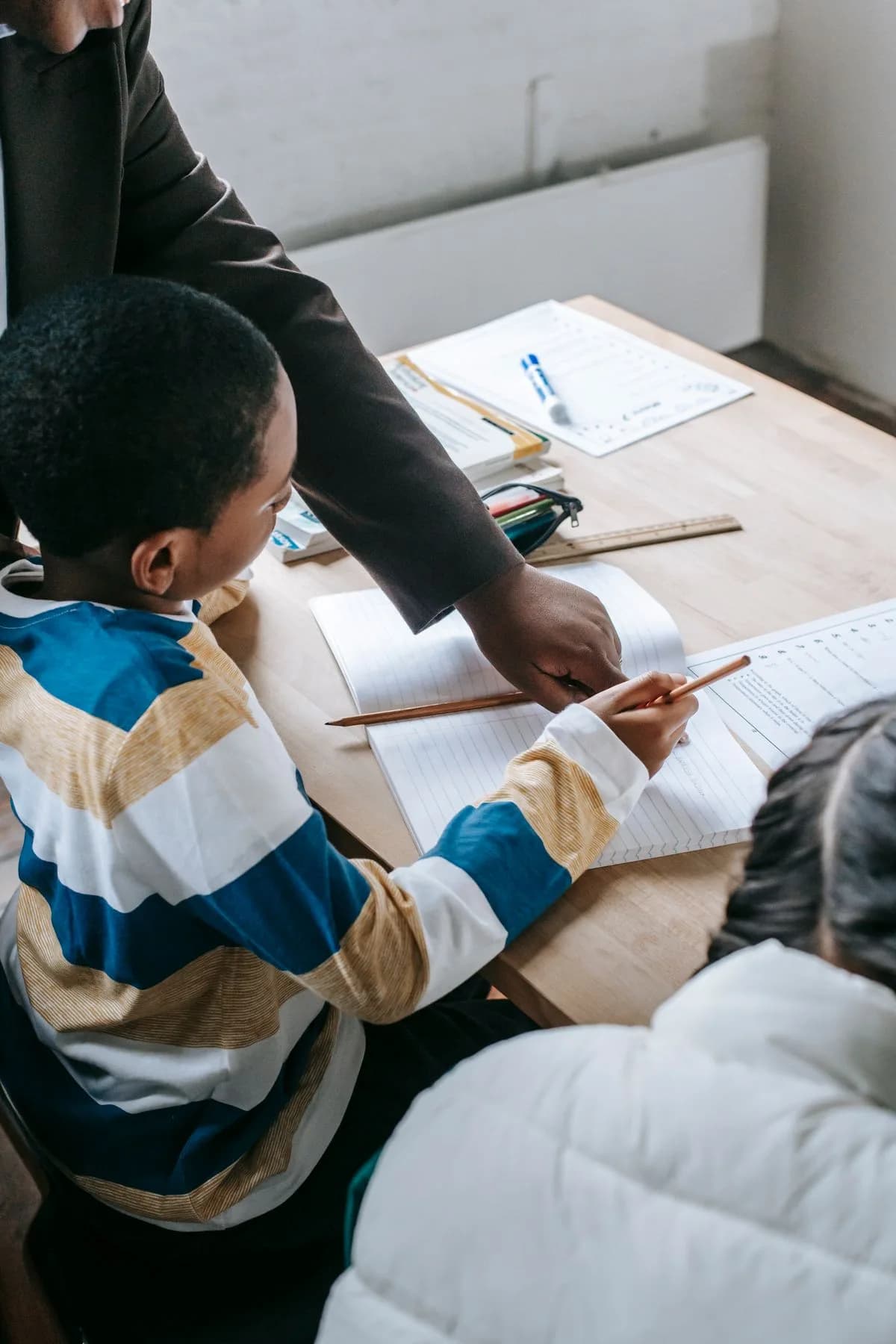
- A first session at home
- Connecting online practice with everyday life
- How teachers might use the pilot
- Encouragement without unnecessary pressure
- Welcoming different ways to participate
- Clear boundaries around the children's experience
- What we would like to achieve next
- Measuring progress in ways that matter
- Questions from parents and teachers
- Help us build a welcoming place to learn
A child's curiosity should have somewhere to go. Sometimes it starts with a question about a different country. Sometimes it comes from a song, a family holiday, a friend or a word heard in a film. Those small moments can become opportunities to learn, especially when trying something new feels welcoming and manageable.
At JASOTO, we want to help families and schools turn that curiosity into enjoyable learning. Our ambition is to keep children's learning accessible without making a family's budget the deciding factor. We want children to have opportunities to practise, make mistakes, discover interests and build confidence at a pace that works for them.
JASOTO Kids is the starting point for that ambition. It is currently a free French and Spanish learning pilot for children aged 7–11, with short activities for use at home and in classrooms. This article explains what is available now, how adults can approach it and what we would like the project to achieve as it develops.
Starting with something small enough to enjoy
Education is a large subject, but a child's next learning step can be small. Learning to recognise a greeting, remembering the meaning of a word or being willing to try a new sound can all make a first activity worthwhile. The aim of an introductory session does not have to be finishing a long lesson or reaching a particular score.
Our starting point is to make language exploration approachable. A short activity gives an adult and child a clear place to begin, while leaving room for conversation and repetition. If the child is interested, the session can continue. If they have had enough, returning another day remains an option.
That is the spirit in which we want JASOTO Kids to grow. A learning website should offer an invitation to participate, with enough structure to be understandable and enough flexibility to fit real family and school routines. It should help an adult begin a useful activity without demanding elaborate preparation.
What the free pilot currently includes
The live JASOTO Kids page presents 20 short French lessons and 20 short Spanish lessons. The activities introduce starter vocabulary and short phrases, with English instructions. The page includes a short quiz format and options for revisiting the words.
The pilot is free for families and classrooms. It does not require a subscription or AI credits. Children do not need to enter their names or create accounts to take part. The page also explains how temporary progress and optional saving on the current device work.
It is important to describe this accurately. The pilot is an early learning resource, not a complete school curriculum or a qualification. The live page says the content is awaiting independent language-teacher review. Adults should read that information and preview the activities before deciding how to use them.
That transparency is part of building a useful resource. Families and teachers deserve to understand both what a project offers and where further development and review are still needed.
Why keeping learning free matters to our vision
When we say we want to keep learning free for children, we mean removing the payment barrier from the experience we are trying to create. A child who wants to revisit a few words should not feel that their interest has become a purchase request. A teacher exploring a short activity should be able to understand its cost before planning around it.
The current pilot already offers a free starting point. Our longer-term ambition is to protect that accessible foundation as the project develops. That is an ambition about the direction of JASOTO Kids, rather than a claim that every possible future service has already been built or funded.
Free access alone does not solve every barrier. Families may share a device, have limited connectivity or need help interpreting instructions. Schools may have different technology arrangements and accessibility requirements. A serious commitment to access means considering these practical realities alongside the price.
We want to build something that is useful in everyday circumstances: a short shared activity at a kitchen table, an introduction in a classroom or another chance to practise a familiar lesson.
Making fun mean something more than bright colours
Fun can look different for different children. One child enjoys a guessing game. Another likes finding a pattern. Another prefers quietly collecting a few interesting words. A learning experience does not need loud celebrations or constant competition to be enjoyable.
For us, enjoyable learning means giving children a reason to engage with the material. It might involve recognising a word from a previous session, choosing which item to practise next or showing an adult something they remember. These moments are modest, but they can make the activity feel personal and worthwhile.
We would like future development to preserve that variety. A score can provide feedback, but it should not become the only reason to participate. Children should have room to explore without feeling that a wrong answer has ruined the session.
Adults can bring this approach to the current pilot straight away. Ask what the child noticed, what they found interesting and what they would like to try again. Let the conversation sit alongside the activity rather than turning every response into a test.
A first session at home
Begin by opening JASOTO Kids yourself. Read the parent and teacher information, choose an activity and check how it appears on the device you plan to use. A brief preview helps you answer the child's questions without having to work out every control during the session.
Invite the child to choose between the available languages if that choice is helpful. Explain what you are going to do in simple terms: look at a few words, explore what they mean and decide whether to try the quiz. Keep the goal small enough that stopping after the first part still feels acceptable.
You do not have to be a confident linguist to show interest. You can notice written words together and use the available lesson information. Where pronunciation is uncertain, avoid presenting a guess as a perfect model. A teacher or trusted language resource can help resolve questions later.
Finish by choosing one word or idea to revisit. That gives the next session a familiar starting point without making the child responsible for remembering everything at once.

Connecting online practice with everyday life
A website can introduce an idea, but the idea does not have to remain on the screen. After a short session, an adult and child might draw a picture linked to a word, make a small paper card or look for a relevant object in the room. These are optional extensions adults can create, rather than features that must be built into the platform.
Keep the connection simple and accurate. If a lesson introduces a familiar object, the child could match the written word with a drawing. If the child prefers not to draw, they could point to an object or choose between two cards. There is no need to make a craft project out of every lesson.
Everyday conversation also provides opportunities to revisit learning. An adult might ask whether a word looks familiar later in the week. If the child does not remember, return to the example together. The purpose is another encounter with the material, not catching them out.
This approach leaves room for different interests and energy levels. A short online activity can be one part of a much broader experience of talking, reading, making and discovering.
How teachers might use the pilot
For a teacher, a new resource needs a clear role. JASOTO Kids could be explored as a brief starter activity, an adult-guided practice session or a way to revisit introductory vocabulary. Its suitability depends on the class, the lesson objective and the teacher's own review of the content.
Start with one narrow intention, such as recognising a small set of words. Decide how pupils will respond and whether they will work together, independently or with adult support. Consider reading demands and whether some children need another way to show what they understand.
The website should fit the lesson, rather than dictate it. If discussion around one word becomes productive, there is no need to rush towards another screen. Equally, an activity that does not fit the class can be changed or left aside.
Our ambition is to make JASOTO Kids increasingly useful to schools through thoughtful development and feedback. We are not claiming that the pilot has been formally adopted by schools, independently evaluated or aligned with every curriculum. Those are separate matters that require real evidence and appropriate review.
Encouragement without unnecessary pressure
A child can engage thoughtfully and still select a wrong answer. They may recognise a meaning but find the question confusing. They may be tired, distracted or unsure how to use the device. Adults can leave space for those possibilities before treating a score as an explanation of the child's ability.
Specific encouragement is often more meaningful than a general demand to do better. You might acknowledge that the child returned to an unfamiliar word or tried a different way of remembering it. The conversation can focus on the process without requiring a perfect result.
Avoid comparing siblings or classmates. Children bring different experiences to language learning, including different home languages and levels of confidence with reading. A shared resource does not make their starting points identical.
The experience we want to build should give children reasons to return because they feel curious and supported. We would rather a learner finish a small activity comfortably than feel obliged to continue simply to complete a sequence.
Welcoming different ways to participate
Participation is broader than speaking quickly or reading aloud in front of others. A child might show understanding by pointing, choosing, matching, drawing or working with a partner. Our vision for accessible learning makes room for these differences instead of treating one response style as the only successful one.
This matters for children with a wide range of needs and preferences, including autistic children and children with ADHD. It also matters for children who are shy, new to the language of instruction or simply finding a particular day difficult. No single activity will suit everyone equally.
Adults can begin by asking what would make the session easier to join. Fewer items, a quieter space or another way to respond may be useful possibilities to explore. These are individual choices, not a promise that one adjustment will work for every learner.
As JASOTO Kids develops, we want listening to children and the adults who support them to shape that work. Accessibility should influence the learning experience itself, rather than appear only in a paragraph describing the project.
Clear boundaries around the children's experience
Parents and teachers should be able to understand what happens when a child opens an educational page. The pilot's information section explains its current arrangements, including its limited approach to progress saving. Read those details on the live page rather than assuming the children's area behaves like every other part of JASOTO.
The wider JASOTO website includes business and creative services for different audiences. Our discussion here concerns the Kids pilot. Families do not need to explore adult account journeys or commercial tools to understand the purpose of a short children's lesson.
For home use, an adult can choose the page and remain involved at a level appropriate to the child. In school, staff should follow their usual procedures for reviewing digital resources and using shared devices. Clear preparation helps keep attention on the learning activity.
As the project grows, explaining how each new feature works will remain important. Families should not have to guess what information a learning tool asks for or why it needs it.
What we would like to achieve next
Our ambition goes beyond adding more pages. We want a resource that children enjoy using, adults can understand and teachers can assess honestly. That means placing quality, clarity and accessibility alongside the size of the lesson collection.
One priority we would like to pursue is stronger content review. Language learning involves pronunciation, context and regional variation, so careful checking matters. Another is learning from practical feedback: which instructions are clear, where children become confused and which activities adults find useful.
We would also like to explore how the resource could support a wider variety of learners without becoming unnecessarily complicated. More material is only helpful when it remains understandable and manageable. Expansion should follow a clear purpose, with each addition earning its place.
These are development goals, not announcements of completed features or confirmed partnerships. The existing pilot gives families and teachers something concrete to explore while the larger ambition remains open to thoughtful improvement.
Measuring progress in ways that matter
Page views alone cannot tell us whether a child had a worthwhile learning experience. A more useful question is whether the activity helped them do something they could not comfortably do before, or encouraged them to return to a subject with interest.
We would like feedback to consider several aspects of the experience. Could the adult understand how to begin? Could the child follow the instructions? Was there enough room to pause? Did the activity create a useful conversation or reveal a point that needed explaining differently?
These observations should not be confused with formal evidence of improved educational attainment. Any future claim about measured outcomes would need an appropriate evaluation. For now, honest descriptions of the pilot and thoughtful feedback are a stronger foundation than impressive-sounding promises.
At home, you can take a similarly practical approach. Notice a word the child remembers, an activity they request again or a question they ask. Such moments can guide your next session without turning family learning into a constant assessment exercise.
Questions from parents and teachers
Is JASOTO Kids free to use?
Yes. The current pilot is free for home and classroom use. Its own page explains the access arrangements. Our stated ambition is to keep children's learning accessible as the project develops.
Is this a replacement for school teaching?
No. It is an introductory pilot that adults can review and use alongside other learning. A full curriculum involves much more than a collection of short vocabulary activities.
Does my child have to be confident at languages?
The pilot is intended as a starter experience. An adult can preview it, choose a manageable activity and see whether it suits the child. There is no need to approach the first session as a performance.
How can a school or family share feedback?
Use JASOTO's contact page to describe the resource or instruction you want to discuss. Keep feedback focused on the experience and avoid including unnecessary identifying information about children.
Help us build a welcoming place to learn
JASOTO Kids begins with a straightforward ambition: give children an enjoyable place to try learning, and keep that starting point free. The current pilot is modest, but it provides something families and classrooms can explore today.
We want to build on that foundation responsibly, with clearer activities, careful review and a willingness to listen. Children deserve more than an impressive feature list. They deserve learning experiences that respect their curiosity, their differences and the people supporting them.
Explore the free JASOTO Kids pilot, try one short activity together and see where the conversation leads. A few new words can be a worthwhile beginning.