























Global Business · Kenya Guide 2026
AI for Kenyan Businesses: Verified Drafts and Human Review
JASOTO · Updated October 4, 2026 · 452 words

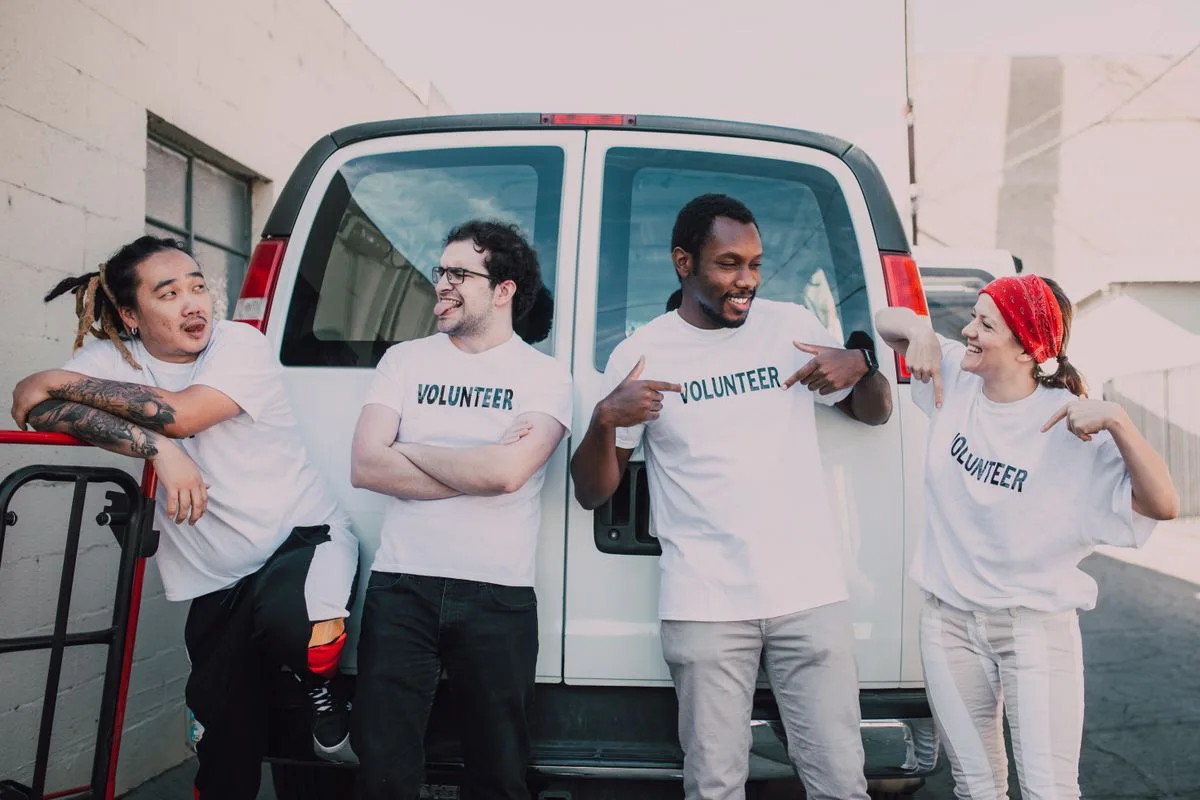
Photo: https://kaboompics.com/ / Pexels. Stock photograph for illustration; no JASOTO customer, listing, tested product or endorsement is implied.
A Kenyan business AI draft should organize an explanation staff can verify, such as the steps before confirming delivery or preparing a quote. Pick one task with a named reviewer and provide current facts about the offer. Keep customer records and unknown prices outside the prompt, then review every language version against the real service rather than treating confident text as an accepted commitment.
Practical next steps
- Choose one process and its reviewer.
- Supply scope, currency and unknown questions.
- Keep private records out of prompts.
Choose an existing process for the trial
Ask the tool to explain one actual process, identifying the reader and the next decision. Name the reviewer who knows how staff assess the request and can reject the output. Avoid asking for a complete growth strategy from a brief description, because the draft may invent demand, requirements or operating arrangements the business has not established.
Provide the real scope and missing questions
Supply approved service names, town coverage and the steps before an accepted quote or order. State the currency and meaning of an example amount. Tell the tool to flag unknowns instead of inferring delivery dates, stock or a final total. A price illustration should remain attached to its defined offer rather than become a promise for every customer request.
Use public facts rather than private records
Generalize the question instead of uploading identifiable customer messages, delivery addresses, payment screenshots or confidential job documents into a marketing prompt. Check the provider’s actual data arrangements before considering broader use. A useful drafting feature does not prove a private input is appropriate, and generated wording does not establish compliance for the actual business workflow.
Check language meanings and public claims
Google advises manual accuracy review for generated website content, including metadata. Compare the draft with approved service facts and have a capable person check English, Kiswahili or another supported version. Remove invented qualifications and customer results, follow the linked contact routes and accurately caption images so illustrative material does not masquerade as evidence of actual work.
Source: Google Search Central: generative AI content guidance. Check the source for current guidance and terms.
Record corrections and assess the customer explanation
Include review effort and inaccurate claims corrected when comparing the trial with the earlier process. Ask whether customers can understand the quote, pickup or delivery stages better. More generated content is not evidence of increased sales, productivity or search inclusion. Describe an unmeasured trial as a suggested process and keep any public outcome claim tied to actual business evidence.
Checks for the actual business
- Choose one process and its reviewer.
- Supply scope, currency and unknown questions.
- Keep private records out of prompts.
- Review language meanings and claims.
Frequently asked questions
Can AI turn an example amount into a confirmed quote?
Keep the amount within its defined scope and use the actual staff assessment and acceptance process.
Is a fluent Kiswahili draft sufficient review?
Have a capable person check meaning, conditions and the contact arrangements staff support.
Explore JASOTO tools
Check the actual business information
Compare public details with the service and contact arrangements your team supports.
Browse business services