






















Global Business · Nigeria Guide 2026
Nigerian Local SEO: Real Premises and Service Boundaries
JASOTO · Updated October 4, 2026 · 442 words

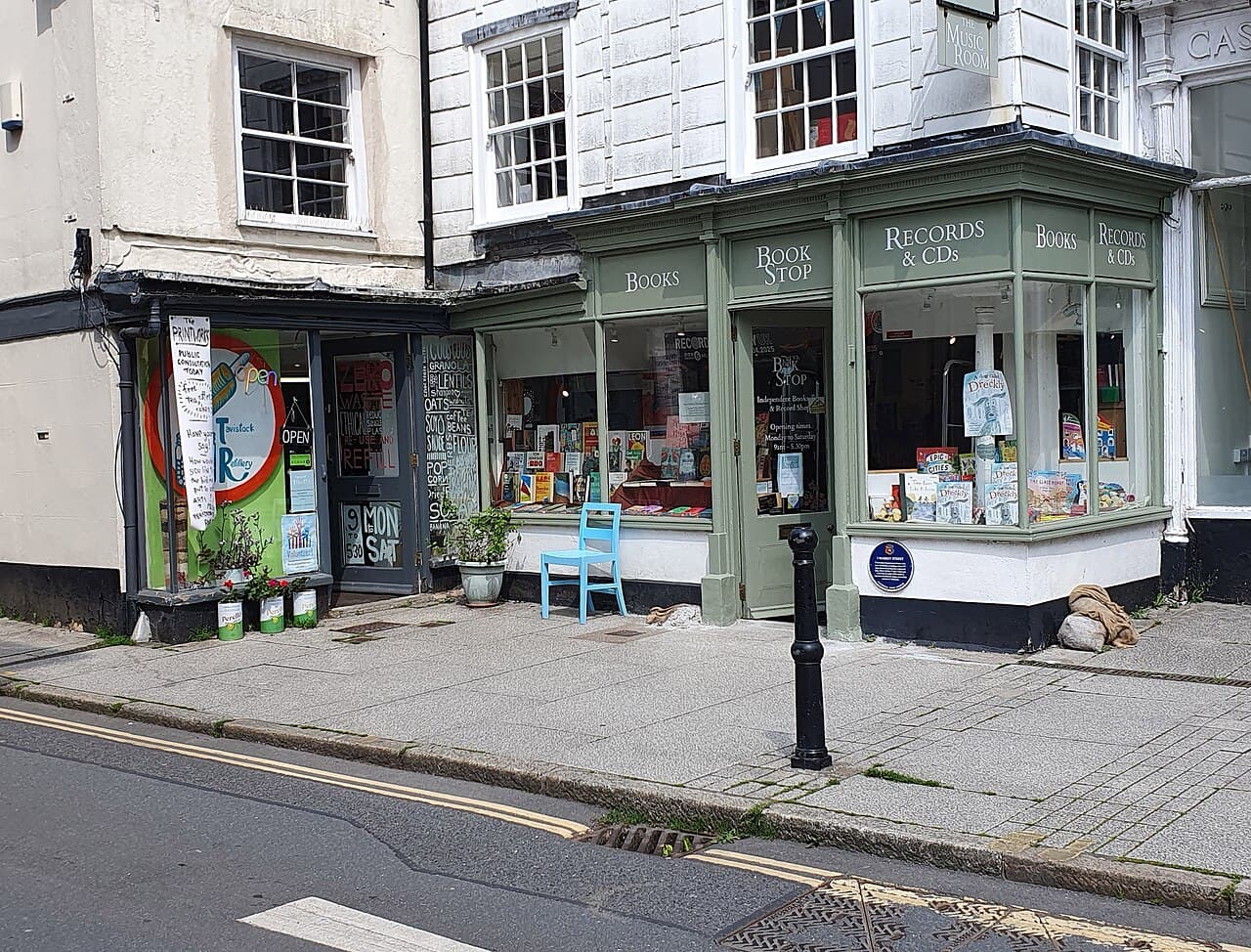
Photo: Pavel Danilyuk / Pexels. Stock photograph for illustration; no JASOTO customer, listing, tested product or endorsement is implied.
A Nigerian local business page should make the real service boundary understandable before a customer arranges a visit or delivery. A city or state name may leave travel, address and availability questions unanswered. Explain the actual neighbourhood coverage and contact process, then verify the public listing against the operation instead of creating location pages that imply branches or commitments the team cannot support.
Practical next steps
- Define neighbourhood coverage and assessment.
- Verify real premises and profile eligibility.
- Check visit and landmark instructions.
Name the areas served and what needs assessment
Describe the neighbourhoods or areas normally supported and how staff assess an address elsewhere. Keep customer visits, delivery and attendance at a customer’s location distinct. A state heading should not imply uniform service throughout the state, and a page accessible across Nigeria should not promise nationwide fulfilment without arrangements the actual business can support.
Verify each premises claim before publishing
Google’s Business Profile representation guidance explains eligibility and location requirements. Check the real customer contact model before adding a profile or branch. A locality the business wants to reach is different from a staffed premises, and a rented mailing address does not establish an eligible customer-facing office. Keep identity and coverage details consistent with the actual operation.
Source: Google: business representation and eligibility. Check the source for current guidance and terms.
Give accurate visit and landmark instructions
Where customers visit or collect an item, verify the street, building and entrance details needed to find the premises. Use helpful landmark instructions on the appropriate service page without changing the actual business identity. Keep photographs within their permitted real context, and label illustrative imagery so it does not appear to document the actual shop or a completed local project.
Connect supported languages to monitored contact routes
Explain the languages staff support through each advertised phone, form or messaging option. Do not assume English or every regional language is available because a generated translation exists. Keep visit hours and response expectations aligned with staffing, and describe how staff confirm availability rather than presenting a submitted inquiry as accepted work or guaranteed dispatch.
Review repeated location problems before expanding
Ask staff whether visitors repeatedly find the wrong premises or request service outside the supported area. Improve the specific directions or boundary explanation that caused confusion. Another neighbourhood page needs distinct useful facts, not invented local evidence. Compare suitable accepted work with listing views and travel constraints visible, without promising rankings or indexing from the rewrite.
Checks for the actual business
- Define neighbourhood coverage and assessment.
- Verify real premises and profile eligibility.
- Check visit and landmark instructions.
- Match languages and hours to monitored routes.
Frequently asked questions
Does a state heading imply statewide attendance?
Explain the real service boundary and how staff assess requests beyond it.
Can a target neighbourhood be described as a branch?
Only describe a branch when the actual premises and operation support that statement.
Explore JASOTO tools
Check the actual business information
Compare public details with the service and contact arrangements your team supports.
Browse business services