
Sexual Wellness · Adult shopping guide 2026
Rechargeable or Battery-Powered Adult Products in 2027: Compare the Practical Details
JASOTO · Updated 5 November 2026 · 3,076 words
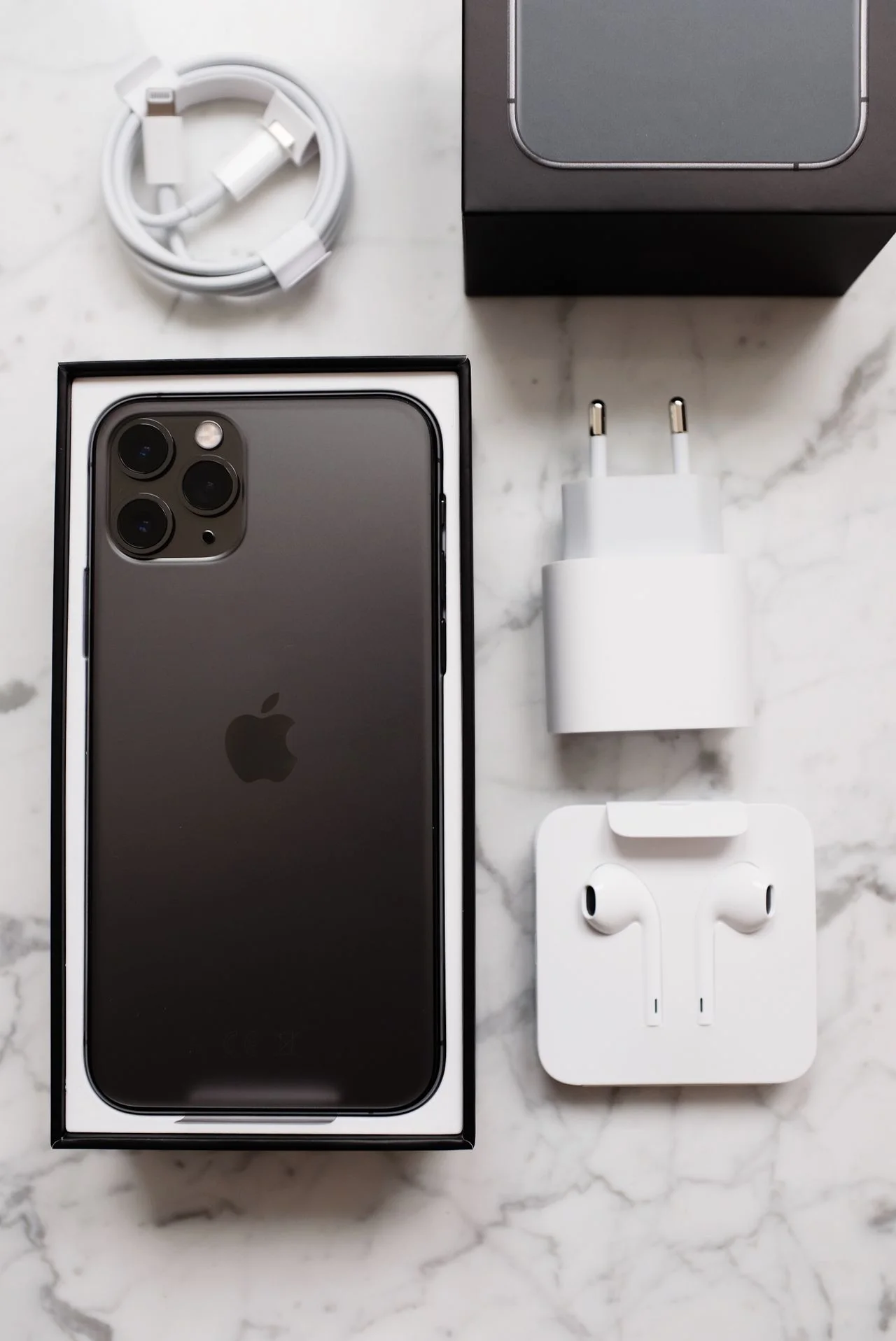
Illustrative stock photograph: ready made / Pexels, used under the Pexels License. Resized and converted to WebP. It does not show a tested House of Lucifer product or imply the photographer’s endorsement.
Choosing between a rechargeable and a replaceable-battery adult product is largely a question of everyday practicality. A charging lead can be easy to misplace; spare batteries can be another errand; a sophisticated feature list can hide the fact that a product does not fit the recipient’s routine. For adults planning a purchase in 2027, the useful comparison starts with the exact model, its instructions and the support available when something needs replacing.
This guide helps you compare those details before spending. It does not rank products by sexual performance, claim that one power system is universally safer or predict next year’s ranges. A carefully chosen simpler model can make more sense than an expensive bundle whose charging arrangements nobody understands.
Start with the ownership questions
- Read the exact model’s power and charging instructions.
- Separate supplied accessories from optional extras.
- Compare the complete ownership cost rather than a headline discount.
- Check replacement leads, support and storage before buying.
- Choose a product the recipient actually wants to maintain.
Write down what convenient means to you
Convenience is personal. Someone who already keeps several devices charged may welcome another rechargeable item. Someone who dislikes maintaining charging routines may prefer a model with replaceable batteries, provided the required type is readily obtainable. Neither preference proves anything about product quality. Start by listing where the item would be stored, how often it might need attention and who would be responsible for its accessories. Keep this discussion practical and free from assumptions about how another adult will use a gift.
A helpful purchase brief might read: clear printed instructions, manageable controls, an identifiable charging connection and a place to keep everything together. Another buyer might prioritise a specific battery size and avoiding an additional app. These are useful requirements because you can check them against a product page. Words such as premium or advanced are harder to evaluate. If a listing cannot answer your basic ownership questions, ask the retailer before comparing decorative extras or sale banners.
Compare actual models within a broad category
House of Lucifer’s vibrator collection is a starting point for finding individual listings, rather than evidence that every item shares the same power arrangement. Open the exact product you are considering and record its full name, brand and model identifier. Similar names, colours and packaging can conceal different versions. A category description cannot settle whether a particular item is rechargeable, which accessories it includes or whether a separately pictured charger is part of the box.
Keep the shortlist small enough to examine properly. Three clearly documented options are more useful than twenty screenshots without model names. Give each option a line for its power source, supplied accessories, instructions, support route and unresolved questions. If a feature is absent from the listing, write unknown rather than assuming a familiar brand uses the same arrangement across its range. That distinction prevents a tidy comparison table from turning incomplete information into an accidental promise.
Identify the connection rather than guessing from a photograph
A photograph showing a lead does not necessarily identify both ends of that lead. Check the written specification and manufacturer’s instructions for the connection on the product and the power source it requires. A magnetic contact, a dedicated socket and a familiar-looking connector can involve different arrangements. Do not assume that a cable from another item is suitable because it appears to fit. The model’s documentation should settle compatibility, not visual resemblance or a reviewer’s improvised workaround.
Also distinguish a cable from a mains adaptor. A listing may include one, both or neither. Ask what is actually supplied and what additional equipment, if any, the manufacturer requires. This matters when comparing two prices: the apparently cheaper option may leave a necessary accessory to source separately. If the documentation is ambiguous, pause the purchase. A clear answer before ordering is more valuable than discovering after delivery that an essential component was only a prop in a photograph.
Read battery specifications precisely
For a model using replaceable batteries, note the stated size, quantity and permitted type. Those details belong to the exact product instructions. Do not substitute a different chemistry or a rechargeable equivalent on the assumption that all batteries of a similar shape behave the same way. If the manufacturer permits alternatives, follow that explicit guidance. If it does not say, ask. This guide cannot infer electrical compatibility from a retailer category, a brand name or a general statement about batteries.
Check whether batteries are included and whether an included set is intended only for demonstration. That affects what the recipient can realistically do when opening the gift. It also affects the total shopping list and the number of separate parcels involved. Where a compartment is shown, consider whether its opening method and markings look manageable for the intended owner. Avoid promising that a screw, cover or small control will be easy for everybody merely because it looks uncomplicated in a product image.
Treat runtime claims as conditions to clarify
Published runtime can be helpful, but only when you understand what was measured. A figure may refer to a particular setting, a full charge or laboratory conditions that are not described in the retailer’s summary. Record the source of the claim and any stated conditions. If two models use different test assumptions, their numbers may not be directly comparable. Do not convert an advertised maximum into a guarantee about how long an individual buyer’s product will operate in everyday ownership.
The same caution applies to charging time. Check whether the quoted figure assumes a specified power source and whether the manufacturer explains how charging completion is indicated. If information is missing, ask a narrow question about that exact model. Avoid filling the gap with timings borrowed from a different device, even within the same brand. An honest unknown is a better basis for a purchase decision than a precise number that belongs to an unrelated listing or an older version.
Plan a sensible charging location
Before choosing a rechargeable model, consider whether the owner has a suitable place to charge it according to its instructions. The location should allow the supplied arrangement to be used properly without stretched leads, improvised connectors or an inconvenient shared socket. General electrical-safety guidance can inform the conversation, but it does not certify an adult product or replace its manual. The manufacturer’s directions about charging, surroundings and supervision remain the relevant instructions for the model being purchased.
Electrical Safety First’s guidance on phones and tablets illustrates why correct charging equipment matters for rechargeable consumer devices. Apply that as a reason to seek clear documentation, not as permission to improvise a charging setup. If a product lacks understandable instructions or a reliable support contact, its attractive price does not resolve that problem. Do not attempt repairs, battery modifications or electrical experiments to compensate for an unsuitable purchase.
Compare accessories for shared purchases
When two adults are choosing together, discuss who will keep the lead, instructions and proof of purchase. A shared gift can become frustrating when each person assumes the other has stored a tiny proprietary accessory. House of Lucifer’s couples’ vibrator collection provides another route into relevant listings, but each item still needs its own accessory check. A product being marketed to couples says nothing by itself about charging compatibility, included components or whether both people will find the controls convenient.
Make a practical agreement about storage without turning it into an obligation to use the gift. One person can decline a feature or prefer not to manage an app or charger. That is useful information, not a technical problem to overcome with a more expensive model. If a present would create an unwanted maintenance task, choose a different kind of gift. The best ownership arrangement is one the recipient freely accepts, including the option to leave a product unopened while deciding.
Check whether connected features add another dependency
Some rechargeable products also offer app or remote features, but power source and connectivity are separate questions. A product does not become app-compatible simply because it recharges, and a battery-powered item is not automatically free from wireless features. Read the model’s specifications independently for both. If an app is involved, check the current official compatibility information, account requirements and support arrangements rather than assuming a phone will remain supported throughout 2027 because it works today.
Consider whether the basic functions remain available without the app and whether that is documented. This can matter to someone who changes phones, limits app permissions or simply prefers physical controls. Do not claim that offline operation, remote access or future software updates are guaranteed unless the manufacturer explicitly provides the relevant information. A comparison that separates power, controls and software makes it easier to choose what is actually needed instead of buying a cluster of features as an indivisible package.
Calculate costs without inventing a lifetime estimate
A useful cost comparison begins with amounts you can verify at checkout: the item, required accessories and delivery. For a replaceable-battery model, you can also record the current price of the specified batteries. Avoid claiming a precise annual or lifetime saving unless you have defensible assumptions about consumption and duration. Those assumptions will differ between owners. A neat spreadsheet can give false confidence when its most influential inputs are guesses about how frequently an unfamiliar product will need power.
Instead, compare scenarios in plain language. One option has a higher purchase price but includes its charging lead; another costs less initially and needs separately bought batteries. State what is included and what remains uncertain. Do not assume a built-in battery will last indefinitely, that a replacement will be possible or that disposable cells will always be inexpensive. For a 2027 purchase, check actual prices and specifications again when ordering rather than treating today’s comparison as a fixed future quotation.
Ask about replacement leads before they are missing
A dedicated charging lead is a small item with a large practical consequence if it becomes unavailable. Ask whether a genuine compatible replacement can be bought, how the correct version is identified and which support channel handles the request. A retailer carrying a brand does not necessarily stock every accessory. If replacement availability is important to you, get a specific answer about the exact model. Keep that answer with the order information rather than relying on a broad customer-service reassurance.
Do not purchase an unofficial replacement solely because a marketplace title includes the same brand name. Compatibility needs a reliable basis. The purpose of checking early is to avoid being forced into uncertain accessory shopping later. If no replacement route is available, decide whether that limitation is acceptable before paying. It may be reasonable for one buyer and unsuitable for another, particularly when the product is a gift and the recipient would otherwise inherit the task of solving an avoidable accessory problem.
Separate maintenance supplies from the power decision
Power is only one part of ownership. Cleaning, storage and material compatibility have their own product-specific instructions. House of Lucifer’s essentials collection can help you discover relevant supporting categories, but a collection label does not establish that every listed liquid, cleaner or accessory suits every device. Read both sets of instructions. Avoid adding a generic maintenance bundle automatically just because it appears beside the main item or is described as a popular companion purchase.
A useful accessories list distinguishes required, optional and unsuitable items. Required means the manufacturer says the item is needed; optional means it adds a convenience the owner actually wants; unsuitable means it conflicts with the documented requirements. This prevents a power comparison from quietly becoming a larger, less considered order. It also makes gift planning clearer: the recipient should receive understandable information and appropriate supplied components, without a collection of extras that creates more questions than it answers.
Make storage part of the decision
Think about the dimensions of the product, its case if supplied, its instructions and any spare power accessories. A charging lead that disappears into a shared drawer is not especially convenient, even if the charging technology itself is straightforward. Check whether a pouch or case is actually included rather than inferring it from a lifestyle image. If buying storage separately, follow the product’s instructions about suitable conditions and materials. A decorative bag is not automatically a protective or compatible storage solution.
For a shared home, discuss where the owner wants the item kept and who has access to that space. Privacy preferences vary and should not be presumed from age or relationship status. Keep packaging and proof of purchase in a way that supports warranty or return enquiries while respecting the recipient’s wishes. Do not discard identifying labels before the model and accessories have been checked. A little organisation at the beginning can prevent an ordinary support question from becoming a lengthy search through indistinguishable cables and boxes.
Keep travel requirements separate from shop delivery
If travel is part of the purchase brief, check the destination’s rules, the carrier’s current battery policies and the exact product specifications. A shop delivering an item to your home does not establish that the same item can be carried everywhere. Requirements may depend on battery type, capacity, whether batteries are installed and the transport involved. Do not rely on a generic statement that rechargeable products are travel-friendly. Resolve the specific journey through the relevant official carrier and destination information before packing.
Also consider the practical side: whether the appropriate charging arrangement will be available, whether a travel lock is documented and whether instructions explain how to prevent unintended activation. Do not assume a lock exists because a similar-looking model has one. This article provides a shopping checklist, not a route-specific travel clearance. When the required technical information is unavailable, that uncertainty itself may make the product unsuitable for the proposed trip, regardless of how appealing its advertised feature list appears.
Prepare for support rather than diagnosing faults yourself
Before checkout, locate the retailer’s current support and refund information and note any manufacturer warranty terms for the exact item. Distinguish a change of mind from a fault, damage in transit or an item that does not match its description. Seals and hygiene considerations can affect change-of-mind returns, while other rights may apply to faulty goods. Do not assume opening a box has the same consequence in every situation. Ask the retailer a specific question if a term is unclear.
If a problem later occurs, keep the model identifier, order reference and a concise description of what happened. Follow the official support process and avoid taking the item apart or trying an alternative power supply as an experiment. A useful buying decision includes a credible route to help, not a promise that nothing will ever go wrong. For a gift, agree who will handle the enquiry so the recipient is not left trying to explain a purchase made through someone else’s account.
Consider disposal without making unsupported green claims
Rechargeable does not automatically mean environmentally best, and replaceable batteries do not by themselves establish a product’s overall footprint. Lifespan, repairability, materials, manufacturing and disposal all matter, and those details are rarely fully documented on a shop listing. Avoid accepting a broad sustainable label as a measured comparison. Ask what evidence supports a specific environmental claim, especially if it is the reason for paying more. A reusable power source is one characteristic, not a complete environmental assessment.
At the end of an item’s life, follow the manufacturer’s instructions and current local electrical and battery collection arrangements. Do not dismantle an enclosed product to remove a battery unless its official instructions specifically provide for that process. If repair or replacement is offered, check the terms before assuming it is available. The most defensible shopping approach is to buy something wanted, understand its care requirements and seek an appropriate disposal route, while being honest about environmental information that the seller has not supplied.
Use a final decision sheet
Finish the comparison with five entries for each shortlisted model: what powers it, what comes in the box, what must be bought separately, what remains unanswered and why it suits the intended owner. If an unresolved answer concerns compatibility or a required component, settle it before purchase. If the difference is merely a decorative extra, give it an appropriate weight. This keeps a limited budget focused on ownership details that can make the gift workable rather than on the longest list of advertised features.
For purchases made in 2027, revisit the live listing and current instructions at the time of ordering. Ranges, accessories, support policies and prices can change after this guide’s publication. Save the relevant order details for the recipient and explain any meaningful limitations without overselling them. The strongest choice is a documented fit for someone’s preferences and routine. It need not be the newest, most expensive or most complicated product, and choosing to wait for clearer information can be a sensible outcome.
Before comparing checkout totals
- Identify the exact model and current instructions.
- Record battery requirements or the specified charging arrangement.
- Confirm every supplied component and any required extra.
- Check genuine replacement accessories and support.
- Discuss storage, controls and maintenance with the recipient.
- Recheck 2027 listings and current terms before paying.
Frequently asked questions
Are rechargeable adult products always better?
No. Compare the exact model, instructions, supplied accessories and the owner’s preferences. A power source alone does not establish quality or suitability.
Can I use any cable that fits?
Do not assume physical fit proves compatibility. Follow the model’s documented charging requirements and ask the manufacturer or retailer if anything is unclear.
Are batteries normally included?
That depends on the exact listing. Check the required type, quantity and whether any supplied batteries are intended for demonstration.
Can advertised runtime be compared directly?
Only with attention to the stated conditions. Different settings and measurement assumptions can make headline figures unsuitable for a simple comparison.
Does rechargeable mean app controlled?
No. Power source, wireless features and app compatibility are separate specifications to verify on the exact model.
Will today’s accessories still be available in 2027?
This guide cannot promise future stock or support. Check current availability and the genuine replacement route when buying.
Explore JASOTO tools
Research House of Lucifer on JASOTO
See the approved business profile and its linked buying guides before choosing which retailer pages to explore.
View the House of Lucifer profile