
Home Projects · UK Guide 2026
Roof Repair Quote Checklist
Updated 9 September 2026 · 1,968 words
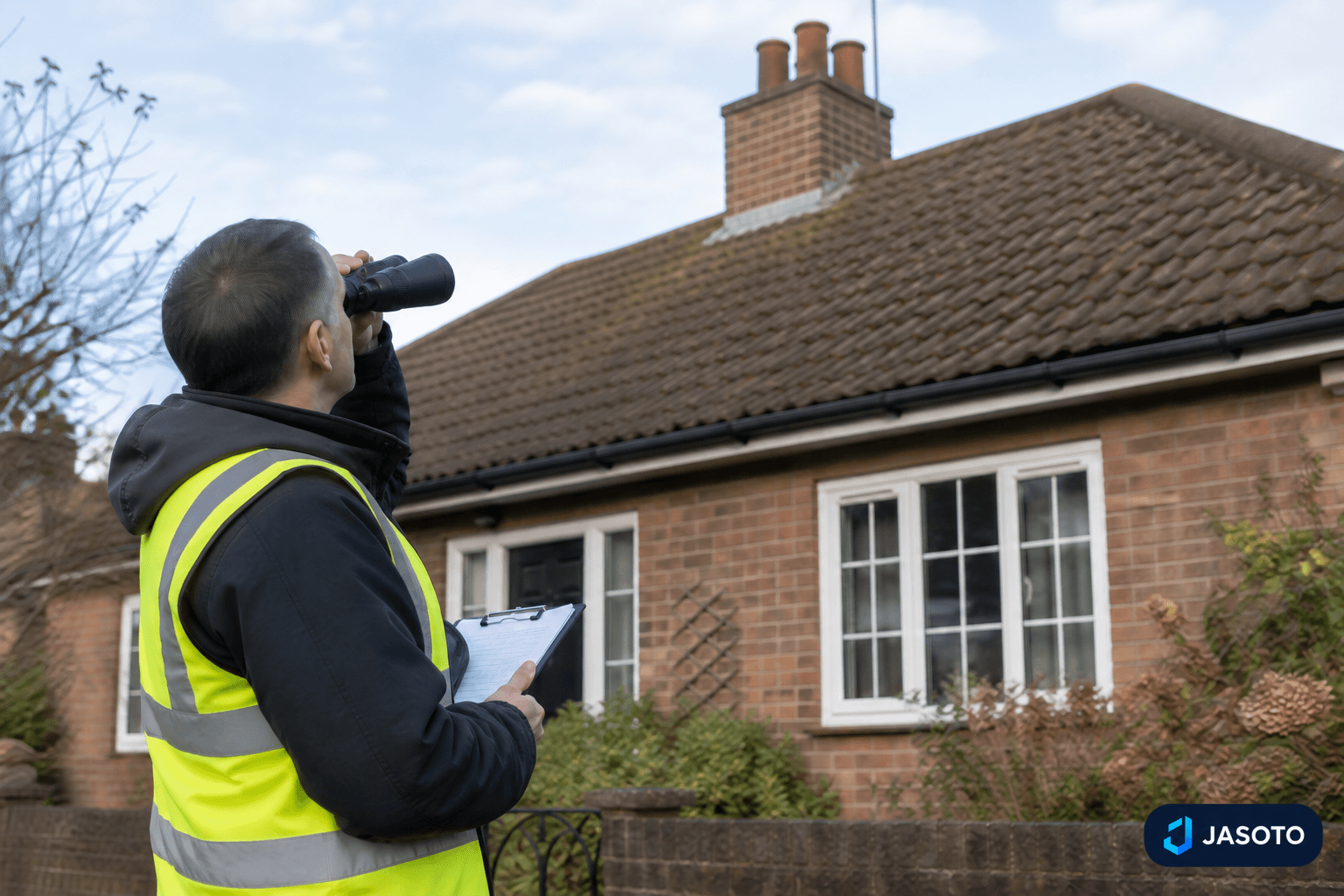
AI-generated illustrative image. It does not depict an actual customer project or a tested product.
A useful roof repair quote should do more than name a price. It should explain what problem the roofer thinks they are addressing, how that conclusion was reached, what work is included and what assumptions sit behind the proposal. For a homeowner, that matters because roof faults are often difficult to judge from ground level, and a visible stain indoors does not always point to the exact entry point above.
That is why a good roof repair quote checklist starts before any booking is made. You can describe the symptoms safely, share any records you have and ask for a clear written scope. The aim is not to diagnose the roof yourself, but to make sure the proposal is understandable, practical and easy to compare before you agree to anything.
At a glance
- Describe the symptoms from a safe position and avoid guessing at the cause.
- Ask how the diagnosis was reached and whether the proposal is temporary, local or larger in scope.
- Check access, waste removal, weather assumptions and what happens if extra damage is found.
- Keep completion evidence, agreed changes and any guarantee terms together with the quote.
Start with the symptoms, not a guess
The first useful step is to describe what you have actually noticed. Record where water or marks appear, when you first saw them and whether they change with weather. A damp patch after heavy rain tells a different story from a mark that seems to spread slowly over time, even if both are signs that something needs looking at. The more precisely you describe the symptoms, the easier it is for the roofer to decide what inspection is needed.
Photographs can help, but only if they are taken safely. Use pictures from indoors or ground level and avoid climbing onto the roof to get a clearer shot. A roofer may be able to use those images as part of an initial discussion, but they are rarely enough on their own to show the cause of the issue. You are trying to give a fair starting point, not replace an inspection.
Share previous repairs and records
If the roof has been repaired before, mention it. Previous work can affect how a new problem is interpreted, especially if a patch, replacement section or earlier leak may be linked to the current symptoms. Any records you still have can be useful because they may show what was already attempted and whether a similar issue has returned.
It is also worth asking what inspection is needed and whether that assessment has a separate charge. That question helps avoid misunderstandings later, particularly if the roofer needs to investigate before giving a firm proposal. A visible stain indoors may not identify the entry point, so the professional may need to check the roof more closely before deciding what work is appropriate.
Ask how the diagnosis was reached
A roof repair quote should include a diagnosis, not just a task list. Ask the roofer to describe the suspected defect and the work intended to address it. That explanation should make clear whether they think the issue is limited to one area or whether it may affect a larger section of the roof. Without that distinction, it is hard to understand why the proposal has been written the way it has.
If the roofer provides photographs from their inspection, ask them to identify the relevant features in plain language. You should be able to connect the explanation to the quoted scope without needing specialist knowledge. A clear diagnosis does not mean the roofer has guessed everything perfectly; it means they can explain what they think is happening and why the proposed remedy follows from it.
Separate temporary fixes from lasting repairs
One of the most important things to clarify is whether the proposal is for a temporary measure, a local repair or a larger replacement. Those are not interchangeable options. A temporary measure may help manage an immediate problem, while a local repair is narrower and more targeted, and a larger replacement goes beyond a small patch or single defect. If the quote does not say which of these applies, you may not be comparing like with like.
This is where plain wording matters. Ask exactly what materials and areas are included in the price and what is not. If the roofer is suggesting more than one approach, the proposal should help you see the difference between them. That does not mean you need to decide the technical solution yourself; it means you need enough detail to understand what is being proposed and whether it fits the issue you described.
Check the materials named in the quote
Materials matter because they shape both the scope and the explanation. Ask which materials will be used and where they will be used. If the quote mentions a replacement part, a repair product or some other material change, it should be possible to see how that fits the diagnosis. A vague promise to “sort it out” is not enough when you are trying to assess a written proposal.
You do not need specialist knowledge to ask whether the materials match the stated remedy. The useful question is whether the roofer can explain, in ordinary language, why those materials have been chosen for that part of the roof. When the wording is clear, you are less likely to miss a mismatch between the diagnosed problem and the work actually listed.
Understand what access is included
Roof repairs are affected by access, so check how the roofer plans to reach the area and whether scaffolding or other equipment is included. If access is not mentioned, the quote may be incomplete or based on an assumption that should be made explicit. This matters because access can affect both practicality and the day-to-day disruption of the job.
It is also sensible to ask about protection of surrounding areas and any making good. If work is carried out near paths, planting, walls or other surfaces, the roofer should explain how they will manage that space and what they will restore afterwards. The point is not to negotiate every detail immediately, but to make sure the quote reflects the realities of reaching the roof and carrying out the repair safely and tidily.
Ask about waste removal and protection
Waste removal can be easy to overlook when a repair is discussed quickly, yet it is part of the practical scope. Ask whether the quote includes removal of old material and what will happen to it. If rubble, packaging or removed roofing parts are involved, the proposal should say who is responsible for clearing them away. Leaving this unstated can lead to confusion later, especially if the repair creates more waste than expected.
Protection of the surrounding area should be covered too. A roofing job can involve equipment, debris and movement around the property, so it is reasonable to ask how nearby surfaces will be protected. You are not trying to micromanage the contractor; you are checking that the quote reflects the real conditions around the repair, not only the work on the roof itself.
Discuss weather assumptions before work begins
Weather can affect timing, so ask how the roofer expects it to influence the job. A roof repair often depends on suitable conditions, and the quote should not leave you guessing about whether a delay would be normal or exceptional. If a date is discussed, it helps to know what happens if weather interrupts the planned work.
This also links back to the scope of the repair. Some tasks may need a short break in poor conditions, while others may be delayed until it is sensible to continue. You do not need to set the weather policy yourself, but you should understand the assumptions being made. Clear expectations here can prevent frustration if the job starts later, pauses or needs to be rescheduled.
Agree what happens if extra damage appears
It is sensible to ask what happens if additional damage is found after work starts. Roof defects are not always limited to the first visible problem, so a quote should make room for the possibility that more may be uncovered once the area is opened up or examined closely. The key point is that any change should be explained before the roofer proceeds, unless there is an immediate safety issue that needs to be discussed appropriately.
That discussion should include any effect on price and scope. If the roofer finds more damage, you want to know how they will tell you, what they recommend and how the revised work will be agreed. This is one of the most practical parts of the checklist because it turns a vague promise into a process you can follow if the job develops beyond the first estimate.
Ask what completion evidence you will receive
A good quote does not end when the repair is finished. Ask what before-and-after evidence and documentation will be supplied at completion. That might include photographs or a written record that shows what was done, but the main point is that you should know what information you will receive when the work is complete. Keeping that evidence with the quote and any changes makes it easier to refer back later.
You should also clarify any guarantee terms, who provides them and what they cover. A guarantee only helps if you understand its boundaries. The written documents matter because they show what was agreed, what was changed and what was completed. This is useful even if the repair seems straightforward, because the record helps you keep the project clear after the roofer has left.
Compare proposals with care, not by appearance alone
It can be tempting to choose the proposal that sounds most confident or comes with the most dramatic photograph, but that is not enough. A clear explanation and a detailed written proposal are useful inputs to a decision, while a listing or an impressive image alone is not. A quote should be judged on whether the diagnosis is understandable, the scope is specific and the assumptions about access, weather and completion are visible.
When comparing suitable businesses through Jasoto, use your own checks of experience and credentials as well. A listing never guarantees tradesperson quality, so the quote needs to stand on its own merits. The strongest comparison is not “which sounds best?” but “which one explains the issue, the remedy and the working assumptions most clearly?” That approach makes it easier to see where proposals differ in a meaningful way rather than just in style.
Your practical checklist
- Describe symptoms, location and timing from a safe place.
- Share previous repairs and any records you have.
- Ask how the cause was assessed and whether inspection has a separate charge.
- Confirm materials, scope, access, waste removal and protection.
- Agree how weather and unexpected damage will be handled.
- Ask what completion evidence and documentation you will receive.
Frequently asked questions
Should a roofer always recommend replacement?
No single answer fits every roof. Ask why repair or replacement is proposed and what evidence supports that recommendation.
Can a leak be priced accurately from one photo?
A photograph may support an initial discussion, but access and inspection may be needed to understand the cause and full scope.
Why does the completion record matter if the repair looks fine?
It helps you keep the quote, any changes and the finished work together, so you can refer back to what was agreed and what was actually done.
What is the best way to compare two roof repair quotes?
Compare the diagnosis, the stated scope, the included materials, the access assumptions and the completion documentation rather than relying on presentation alone.
Plan your enquiry with Jasoto
Use your checklist to describe the work, compare suitable businesses and request a written quote.
Request a quote