























Global Business · Rwanda Guide 2026
AI for Rwandan Businesses: Checked Facts and Translations
JASOTO · Updated October 5, 2026 · 429 words

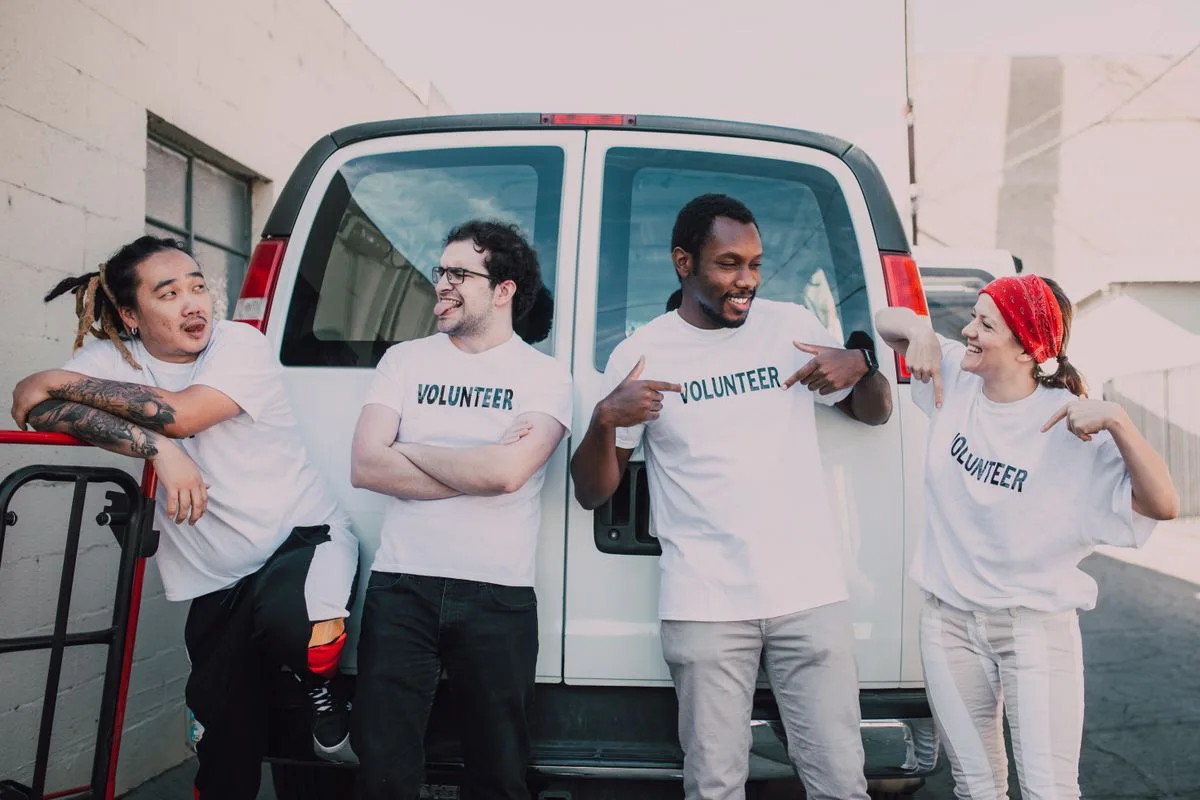
Photo: Said / Pexels. Stock photograph for illustration; no JASOTO customer, listing, tested product or endorsement is implied.
A Rwandan business AI draft should explain an existing process in terms staff can verify. Choose one customer question and provide the facts behind the answer, then assign a reviewer before publication. Offered language versions need the same care as the original text, especially when the wording describes a price, assessment step or accepted order.
Practical next steps
- Choose one question and responsible reviewer.
- Supply approved currency and quote boundaries.
- Generalize inputs without private customer records.
Set the question and the approval responsibility
Identify the next customer decision and choose a reviewer who understands the actual service. Keep the task tied to a process the business already performs, with a current destination for inquiries. Avoid allowing a broad prompt to introduce an unsupported package, credential or commercial result simply because the generated wording sounds plausible.
Provide currency scope and unresolved quote details
State the currency, inclusions and exclusions of approved example amounts. Describe the service boundary and the information staff need before accepting a quote. Mark unknown quantities, addresses and timing as questions rather than inviting inference. A starting amount should remain within its defined offer instead of becoming a final total for every request.
Generalize scenarios before submitting drafting inputs
Replace identifiable customer messages and access details with an example appropriate for the task. Keep payment records and confidential documents outside the prompt unless the actual provider arrangements and purpose have been assessed. A useful draft does not establish that every input is appropriate, and these suggested checks should not be presented as proof of legal compliance.
Check factual claims and translated instructions together
Google’s generated-content guidance recommends checking accuracy, including website metadata. Compare the output with approved facts and remove invented testimonials or credentials. Have a capable person review offered Kinyarwanda, English, French or other versions, including quote conditions and request status. Test links so fluent wording does not conceal changed meaning or an incorrect contact destination.
Source: Google Search Central: generative AI content guidance. Check the source for current guidance and terms.
Evaluate the finished explanation and its corrections
Record the claims and translations staff corrected before publication and include checking effort when comparing the trial with the earlier process. Ask whether customers understand the actual assessment step more clearly. Increased output does not substantiate better sales or saved time. Keep suggested benefits separate from results supported by actual business records, and revise the explanation when verified facts change.
Checks for the actual business
- Choose one question and responsible reviewer.
- Supply approved currency and quote boundaries.
- Generalize inputs without private customer records.
- Check claims, translated meaning and links.
Frequently asked questions
Can AI establish an unknown final quote?
Leave unresolved information for the actual assessment process rather than publishing an inferred total.
Are fluent translations enough for publication?
Have a capable person check meaning, service conditions and the actual contact-language support.
Explore JASOTO tools
Check the actual business information
Compare public details with the service and contact arrangements your team supports.
Browse business services