























Global Business · Tanzania Guide 2026
Tanzanian Local SEO: Verified Locations and Service Routes
JASOTO · Updated October 4, 2026 · 418 words

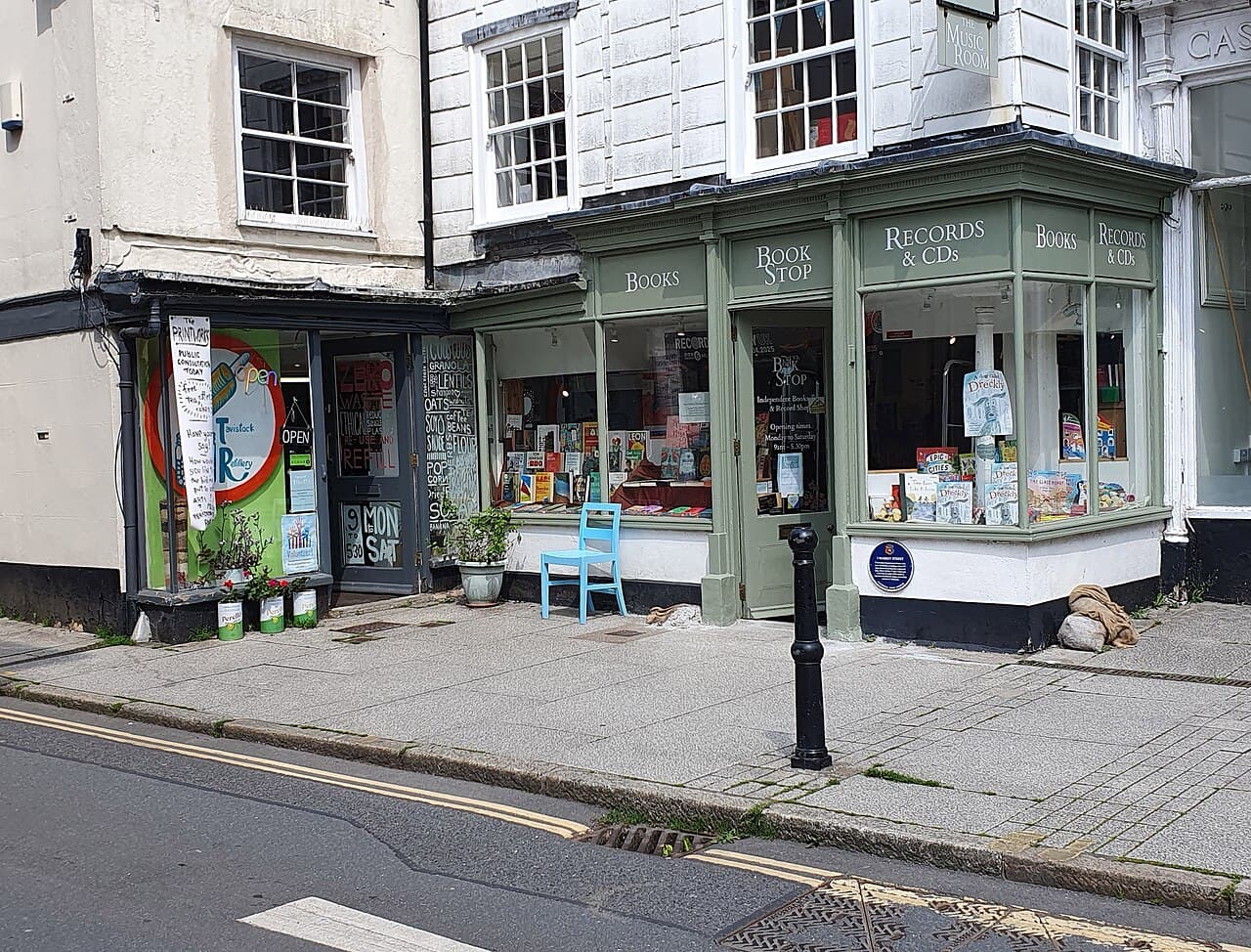
Photo: Natalia Olivera / Pexels. Stock photograph for illustration; no JASOTO customer, listing, tested product or endorsement is implied.
Someone finding a Tanzanian business needs to know whether the location and service arrangement fit their request. Start with the actual premises and the route staff support, rather than treating a regional heading as proof of local availability. A useful locality page explains where customers can visit, how collection works and when an address requires assessment.
Practical next steps
- Define town and district coverage.
- Verify the actual premises and profile.
- Check collection directions before travel.
Explain the operating boundary behind a place name
Identify the towns normally served and describe how staff assess requests outside that route. A district or region label can include addresses with different travel arrangements. Separate delivery, customer visits and work at the customer’s premises, so a broad location heading does not create an unsupported promise about timing or charges.
Match a profile to a real customer-facing operation
Use Google’s business representation guidance when checking eligibility and location details. Verify that the identity, premises and contact arrangement describe the business that actually operates there. A place targeted in advertising does not establish a staffed branch, and an address used for correspondence should not automatically become a customer visiting location.
Source: Google: business representation and eligibility. Check the source for current guidance and terms.
Give collection instructions that staff can verify
Check the building, entrance and a useful landmark against the actual collection destination. Explain whether the customer needs an accepted order or appointment before travelling. Keep private access information for work at a customer’s address within the appropriate contact stage, and do not publish customer locations as evidence of projects without permission and verification.
Keep contact language and availability realistic
Describe whether staff can handle inquiries in Kiswahili, English or another offered language through the chosen contact route. Check translated directions with someone who understands the actual destination. A language option on a page should not imply unsupported staffing, and opening hours should distinguish general contact availability from confirmed service appointments.
Revise local explanations using observed problems
Record the specific questions behind missed entrances, unsuitable addresses or confusion about collection. Improve those instructions before creating additional town articles. Each extra location page needs distinct, accurate information about the operation. Compare suitable accepted requests with unresolved location problems, without presenting more page views as evidence of rankings, national coverage or fulfilled work.
Checks for the actual business
- Define town and district coverage.
- Verify the actual premises and profile.
- Check collection directions before travel.
- Confirm supported contact language and hours.
Frequently asked questions
Does a regional heading establish a nearby branch?
Describe a branch only when the verified premises and operation support that claim.
Should directions include a customer’s private address?
Collect private access details through the appropriate request stage rather than publishing them as local examples.
Explore JASOTO tools
Check the actual business information
Compare public details with the service and contact arrangements your team supports.
Browse business services