
Jobs & Careers · USA Careers Guide 2026
Warehouse jobs in the US: comparing shifts and travel
JASOTO · Updated November 3, 2026 · 2,600 words
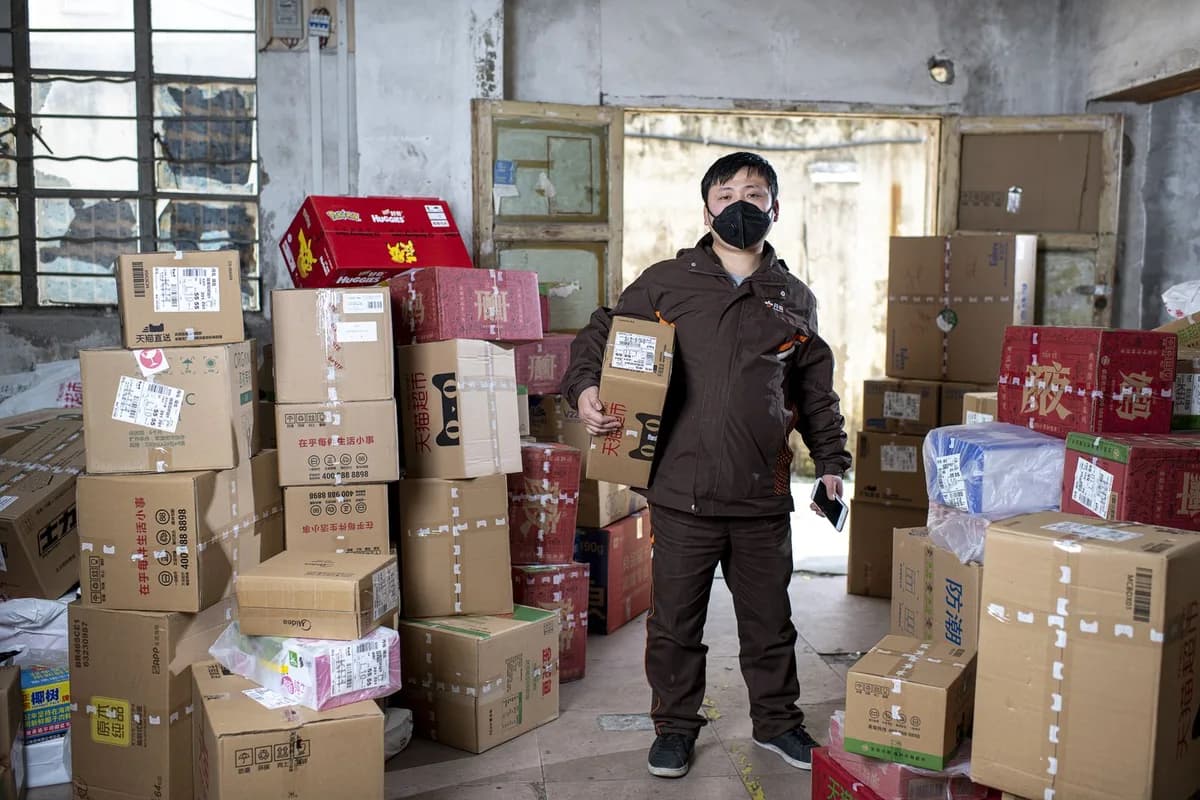
Photo: Greece-China News / Pexels. Stock photograph for illustration; no JASOTO customer, listing, tested product or endorsement is implied.
Two warehouse jobs with similar hourly pay can produce very different weeks. One might offer a predictable daytime schedule near a bus route; another could require overnight travel, changing start times or short-notice overtime. The useful comparison is the complete working arrangement, including how you get there and recover between shifts.
This guide explains how to read warehouse advertisements, distinguish common duties and ask useful questions about schedules, training and employment terms. It does not advertise current openings or teach equipment operation. Use it to organize your search and evaluate the details supplied by a verified employer.
Decisions to make before applying
- Compare the actual shift pattern, not only the hourly rate.
- Identify the legal employer and whether work is permanent, temporary or seasonal.
- Check travel at both the start and end of the shift.
- Ask what duties, equipment and working conditions the role includes.
- Treat training and clear reporting procedures as essential information.
- Budget using reliable hours rather than hoped-for overtime.
Separate the job title from the daily tasks
Warehouse associate is a broad label. A posting may involve receiving deliveries, picking orders, packing goods, checking returns, counting inventory or loading shipments. Some positions rotate between areas, while others focus on a narrower process. Before comparing pay, identify which tasks fill most of the shift and which are occasional.
Look for details about the products and environment. Handling small retail items differs from working with bulky materials or refrigerated goods. Ask about standing, walking, repetitive movements and the equipment used. The point is to understand the job accurately, not to judge your ability from a vague phrase such as fast-paced workplace.
The BLS material-mover overview can help you understand the occupation family. However, an occupational description cannot replace the actual employer's explanation. Make a short list of missing details and ask them before an interview journey or acceptance decision becomes costly.
Identify who is employing you
A warehouse building, retailer brand and hiring agency may be three different organizations. Establish which one issues the employment agreement, processes pay, sets the schedule and handles absence reporting. This matters when a listing uses the customer's familiar name more prominently than the legal employer.
For a staffing assignment, ask where you report on the first day and who your contact is if the site changes the shift. Clarify whether you need to notify both the agency and the warehouse about problems. Keep the agency's written assignment details along with the site's instructions so you can see where responsibilities sit.
A temporary role can be useful without becoming permanent. Evaluate the work on its stated terms and treat possible conversion as an uncertain future event unless there is a specific written commitment. Ask how long the assignment is expected to last and whether hours can reduce before that date. Clear answers support planning even when demand is variable.
Read the shift pattern as a calendar
A start and finish time does not describe the whole schedule. Find out which days you work, whether they remain fixed, how weekends rotate and whether the pattern repeats weekly or over a longer cycle. Ask what happens during busy periods and how much notice is normally given for changes.
Put the proposed shifts into a calendar alongside travel, sleep, childcare and other commitments. A four-day pattern may look convenient until the longer days are considered; a shorter shift may still occupy much of the day if transport is limited. There is no universally best pattern. The important question is whether the complete week works for you.
Request an example rather than relying on labels such as flexible or rotating. Flexibility may mean that you can select available shifts, or that the employer can change your schedule. Those are different arrangements. Ask who controls the changes and whether a minimum number of hours is promised.
Calculate the journey at the right times
Check the route for the actual weekday and hour you would travel. A bus that reaches an industrial park at midday may not run before an early shift. A convenient inbound connection may have no equivalent after a late finish. Include the walk between the stop and the correct employee entrance.
If driving, estimate fuel, parking and the time needed to enter the site. Ask whether parking is available for the shift and whether the gate used by employees differs from the delivery entrance. Do not assume a map's travel time includes security, a long internal walk or the traffic around a shift change.
Create a backup plan for a missed connection, severe weather or a vehicle problem. The backup should be realistic in both cost and availability. If one disrupted journey would consume a large share of the week's earnings, include that risk in your comparison rather than treating it as an unlikely detail.
Compare usable income instead of the headline figure
Start with the base rate and the hours the employer actually expects to provide. Then list any stated shift premium separately. Ask whether an advertised range reflects experience, different shifts or a maximum that not every new employee receives. A clear written offer is more useful than a large number in the listing headline.
Subtract predictable work-related costs from your planning budget: transport, parking and any arrangements needed because of the shift. This is a personal comparison, not a tax calculation. Two jobs with the same gross pay may leave different amounts available and take different amounts of time away from home.
Treat overtime, bonuses and incentives cautiously until their conditions are clear. A productivity payment might depend on criteria you have not yet seen, while a sign-on payment may have timing or repayment conditions. Ask for the written rules. Build an affordable plan around dependable income, then regard variable payments as additions.
Ask how overtime and schedule extensions work
Find out whether overtime is offered voluntarily, assigned under the employer's scheduling arrangements or limited to certain periods. Ask how much notice is given and what happens if a shift runs later than expected. The answer affects your journey home and any responsibilities waiting outside work.
Use the Department of Labor's overtime information as an official starting point for federal rules, and check applicable state guidance when necessary. Avoid assuming that every worker or arrangement is treated identically. If the pay explanation is unclear, ask payroll or an appropriate official service rather than relying on a social media calculation.
For your own planning, record scheduled hours separately from optional extra hours. This makes it easier to see whether the basic job meets your needs. A role that only becomes affordable with constant additional shifts may leave little room for illness, study or changes in warehouse demand.
Understand the physical environment before accepting
Ask about temperature, noise, walking distances, repetitive tasks and any stated physical requirements. A refrigerated area, outdoor loading zone and general storage floor can feel very different over a full shift. Request factual information about the assigned area and the protective equipment the employer provides or requires.
The OSHA warehousing overview identifies hazards including material handling, powered industrial trucks, slips and trips, and ergonomic risks. That is a reason to ask about training and controls, not a reason to learn operating procedures from a blog. Follow site-specific instruction and do not use equipment without the required training and authorization.
If you need an adjustment to perform the role, discuss the relevant work requirement through the employer's appropriate process. Avoid guessing from a generic advertisement whether an arrangement is possible. A clear description of tasks and working conditions supports a more useful conversation than broad assumptions about warehouse work.
Look for an understandable induction process
A new starter should know where to report, whom to contact and what training happens before independent work. Ask how the first days are organized, whether there is supervised practice and how employees get help when a process is unclear. A rushed introduction can make a seemingly simple job difficult.
Training should connect to the work you will actually do. Familiarity with another warehouse does not mean the layout, equipment, emergency procedures or reporting systems are the same. Explain previous experience honestly while remaining ready to learn the new site's process. Do not claim universal equipment competence because you used one type elsewhere.
For agency workers, ask both the staffing organization and the site about their responsibilities. OSHA's temporary worker resources provide a useful official reference. If the answers conflict, seek clarification before beginning an unfamiliar task. Knowing who to ask is part of being prepared, not an admission that you cannot work independently.
Read performance expectations with context
Warehouse advertisements may mention accuracy, productivity or targets without explaining how they are measured. Ask what a new employee is expected to achieve during training, how progress is reviewed and whether different tasks have different measures. You need to understand the process, not just a headline number.
A useful question is: “How do you help someone improve if their accuracy is good but their pace is still developing?” The response can reveal whether supervision includes coaching or only reporting results. Ask how equipment problems, missing stock or other interruptions are recorded so that you understand the workflow.
Do not promise to meet an unfamiliar target at the expense of safe procedures or accurate work. In an interview, explain how you learn a process, check your work and seek feedback. Employers can assess that evidence more meaningfully than a broad claim that you are always the fastest person in a team.
Translate previous experience into relevant examples
You do not need to invent warehouse experience to show useful habits. Retail stock work, event setup, food service, volunteering or a school project may demonstrate organization, reliability and following instructions. Choose examples that connect to the vacancy's actual tasks rather than listing every responsibility you have held.
For instance, describe how you checked deliveries against a list, kept a shared area organized or communicated a shortage before it delayed other people. State your own contribution clearly. If the example came from an unpaid activity, label it accurately and explain its scale without inflating it into professional logistics management.
Include relevant equipment or systems only when you have genuinely used them, and state any training or credential accurately. An employer may still require its own instruction. A concise resume that distinguishes existing experience from willingness to learn is stronger than a long list of unsupported skills.
Prepare for practical interview and recruitment questions
You may be asked about availability, attendance, transport and experience following procedures. Prepare precise answers. “I can work the advertised Tuesday-to-Saturday pattern and have checked the first bus” is more useful than “I am completely flexible” when your availability has real limits.
Have an example of handling an unexpected problem: a missing item, conflicting instructions or a task that could not be completed as planned. Explain how you checked the issue, contacted the right person and documented or communicated the outcome. Avoid suggesting that you would improvise around an unfamiliar safety procedure to keep work moving.
Ask what happens after the interview, what documents are required and how any assessment will be arranged. If there is a site visit, follow the employer's instructions about clothing and arrival. Do not purchase specialized equipment based only on an unsolicited message; verify any requirement through the official hiring contact.
Check whether seasonal work fits your goal
A seasonal warehouse role may suit someone seeking a defined period of work, but the expected dates and available hours matter. Ask whether the end date is fixed, estimated or dependent on demand. Find out whether shifts can be canceled or reduced and how the employer communicates those changes.
If your goal is permanent work, ask about the employer's actual recruitment process for ongoing positions. A statement that good workers are sometimes retained is different from an offer of permanent employment. Continue planning for the stated assignment end unless you receive a confirmed change.
Use the role to gather useful evidence if it fits your needs: attendance, accurate work, teamwork and learning a new process. Keep personal notes about your responsibilities without recording confidential business information. Those examples can support your next application even if the seasonal job ends exactly as scheduled.
Protect yourself during the application process
Verify the employer through its official website and use a known contact route if a message seems unusual. Warehouse recruitment can move quickly, but speed does not justify requests to deposit a check, transfer money or buy equipment through an unverified seller. Consult the FTC's job-scam guidance when an offer includes unexpected financial instructions.
Provide sensitive onboarding information only through the verified process and at the appropriate stage. Keep a copy of the job description, the recruiter's details and the offer. If an agency contacts you about a role you never applied for, ask for the assignment information and independently check the organization before proceeding.
You can start comparing opportunities through JASOTO's US jobs pages and research organizations through US business listings. Those are discovery tools; the final checks still belong to the specific vacancy and employer.
Make a written comparison before deciding
Create one row for each offer and include base pay, dependable hours, shift pattern, journey time, recurring costs, contract type and training. Add a separate column for unresolved questions. This prevents a single attractive feature from dominating the decision while important terms remain uncertain.
Imagine an ordinary difficult week, not only the first enthusiastic day. Consider a late bus, a family appointment or a period when overtime disappears. The better fit is often the arrangement you can sustain under normal disruptions. That may be a nearer job with steadier hours rather than the role with the largest advertised maximum.
Before accepting, confirm the start date, reporting instructions and any conditions still outstanding. Keep the written details somewhere accessible. Once you begin, review whether the actual pattern matches the offer and raise discrepancies promptly through the appropriate contact. A good warehouse job is one whose duties, schedule and employment terms you understand well enough to plan around.
Your next-step checklist
- Save the description and identify the hiring organization.
- Get the start time, finish time and schedule pattern confirmed.
- Test the commute for the actual working days.
- Ask about induction, equipment training and supervision.
- Compare base pay, guaranteed hours and recurring travel costs.
- Read the written offer before making employment changes.
Frequently asked questions
Do all warehouse jobs require forklift experience?
No. Warehouse roles cover different duties, and some do not involve powered equipment. Read the specific description. Never assume experience with one machine authorizes you to operate another; follow the employer's training and authorization process.
Is night-shift pay always higher?
Do not assume so. Ask whether a shift premium applies, which hours qualify and whether it is included in the advertised figure. Compare the written offer and the schedule rather than relying on a general expectation.
Can I rely on overtime to cover my bills?
It is safer to compare offers using reliable scheduled hours. Overtime can change with demand and may be voluntary or required under the employer's arrangements. Ask for the current policy and avoid treating a seasonal peak as permanent income.
Are agency warehouse jobs a route to permanent work?
Some assignments may lead to direct employment, but conversion should not be assumed. Ask about the assignment duration, the legal employer, any stated conversion process and what happens if the placement ends.
Explore JASOTO tools
Find your next opportunity
Discover relevant openings, verify the employer and follow its approved application process.
Explore jobs on JASOTO