
Global Business · Australia Business Guide 2026
Australian Repair Businesses: Define Community Workshop Partnerships
JASOTO · Updated 29 October 2026 · 2,999 words
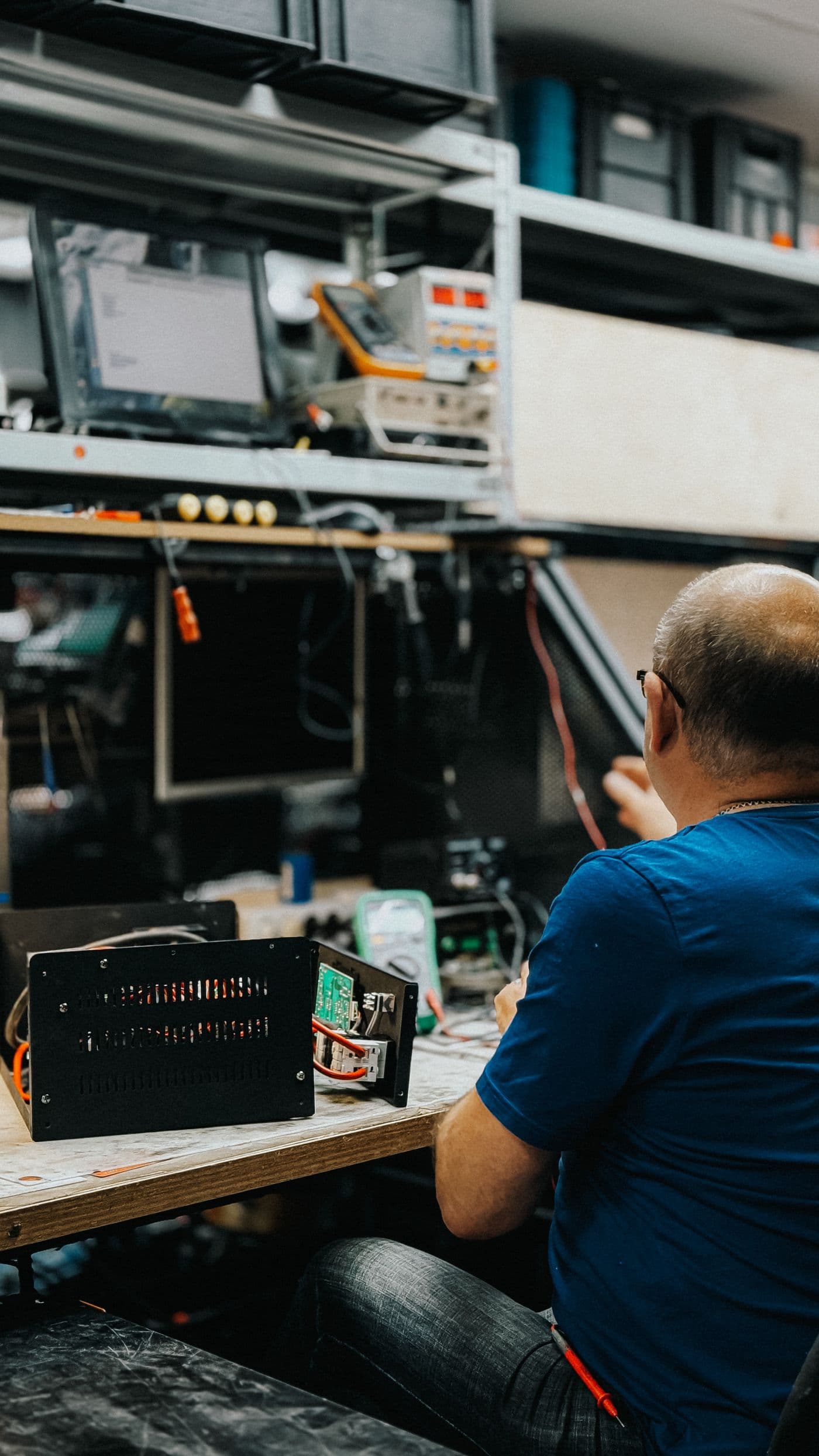
Illustrative stock photograph of electronic repair work; it does not document an Australian community event or the hypothetical business examples.
A repair business can contribute useful knowledge to a community workshop without turning the event into a disguised sales counter. The contribution might be a demonstration, an explanation of common assessment questions or a practical conversation about when an item needs specialist attention. The difficult part is defining the relationship between the business, the host, volunteers and attendees. If those boundaries are unclear, people may expect free commercial repair, mistake a demonstration for an inspection of their own item or assume that leaving an object at the venue creates a workshop job.
This guide develops a small, clearly bounded community collaboration for an Australian repair business. It focuses on planning, responsibilities and communication rather than teaching repair techniques. Examples are hypothetical. It does not authorize unqualified work, determine event approvals or establish liability arrangements. It also distinguishes a general community workshop from the Repair Café network, which publishes its own conditions. A suburban library session, a regional community hall demonstration and an existing volunteer repair gathering need different arrangements, even when the business contributes the same person for an afternoon.
Agree the relationship before promoting the event
- Choose a specific community outcome and contribution.
- Separate education, volunteer activity and commercial repair work.
- Confirm competence, host arrangements and tool responsibilities.
- Publish an honest item intake and follow-up process.
1. Choose a contribution the business can support
Begin with the community question the event will answer. A broad promise to help people repair anything is difficult to staff and easy to misunderstand. A narrower session might explain how to prepare an item brief, demonstrate a defined process on an authorised example or help people identify the information needed before approaching a specialist. Choose the contribution according to the business's competence and available people. The event should remain useful even if no attendee later becomes a customer. That gives the collaboration a clear purpose the host can assess independently of promotion.
Write a short outcome statement and discuss it with the host. Describe what attendees should understand afterward, what the session will include and what it will leave unresolved. Avoid promising a repaired item or a technical diagnosis unless the actual event is set up to provide that service through the appropriate arrangements. A hypothetical regional sewing machine business might explain how to describe a recurring symptom and identify an external model label. It should not imply that every machine brought to the hall will be assessed or repaired. The educational value comes from a supported explanation, not from an unlimited intake promise.
2. Understand the host and the existing community activity
Find out why the host wants the session and what it already offers. A library, neighborhood centre and independent volunteer group may have different audiences, staffing and operational procedures. Ask who is responsible for the programme, venue and day-of-event coordination. Establish whether the business is joining an existing activity or helping create a new one. A guest speaker should not assume authority over a volunteer group's intake process, and a host should not assume that a visiting business brings every resource needed to run a repair event.
Business.gov.au's collaboration guidance recommends considering what a partner contributes and the desired outcome when choosing collaborators. Apply that principle through a practical discussion of strengths, limits and responsibilities. The repair business may contribute specialist explanation, while the host provides the room and participant communications. Volunteers may provide a separate activity under the host's own arrangements. Record these contributions in a shared brief. The word partnership is used here to mean a working collaboration; it does not determine the parties' legal business structure or replace appropriate advice about the actual relationship.
Source: business.gov.au: choosing and planning a collaboration. Check the source for current guidance and terms.
3. Check the conditions of any named network
If the event is connected to a named organisation or network, read its current conditions before using the name in promotion. Repair Café International states that initiatives it supports must operate on a voluntary, non-commercial basis and use the Repair Café name under its conditions. That matters when a commercial repair business is invited to participate. A paid business workshop should not be casually described as a Repair Café simply because it involves repair. Confirm the proposed role with the actual organiser and respect the relevant naming and operating arrangements.
Keep a general community demonstration distinct where it is not part of that network. Use a title that describes the supported activity and identify the host and contributor accurately. Avoid placing an organisation's logo on publicity without the appropriate authorization. If the business is volunteering expertise at an existing event, clarify how that contribution fits the organiser's procedures and how commercial work remains separate. This is more useful than trying to resolve the distinction with a small disclaimer after the event has already been marketed. The attendee's first description should establish the correct expectation.
Source: Repair Café International: starting an initiative and network conditions. Check the source for current guidance and terms.
4. Separate demonstration objects from attendee property
Decide what objects will be used and who has authority to handle them. A demonstration on an object supplied and authorised for that purpose is different from accepting attendee property for assessment. Label the arrangement clearly in the plan. If attendees may bring items for discussion, define whether the discussion is limited to external identification, a written description or another supported activity. The event should not drift into a broader technical service because people arrive with more objects than expected. Staff need a consistent response for items outside the agreed scope.
Create a clear boundary around custody. If the event does not accept items to be left, say so in advance and repeat the instruction at arrival. Do not let a table of attendee objects become an informal storage area with no owner or record. If a separate repair intake is legitimately offered, it needs its own agreed process, competent personnel and applicable arrangements. The community event brief alone is not enough. A hypothetical Brisbane demonstration might use one prepared sample and invite general questions, while directing individual service enquiries to a later, separate assessment route.
5. Define roles by task and competence
List the roles needed for the chosen format: host coordinator, presenter, participant welcome, question management, equipment oversight and follow-up. Assign a person to each task and confirm who can make changes on the day. A presenter focused on a demonstration may not be able to monitor arrivals or answer individual questions simultaneously. Volunteers should know which questions they can handle and which they should refer. Avoid relying on a job title alone to establish competence for a particular repair or demonstration.
Check the activity with the appropriate expertise and current requirements for the actual equipment, work and location. This guide does not set training or licensing rules. The operational point is to resolve competence questions before assigning tasks. A participant who asks for a repair outside the event's scope should receive a clear explanation, not a hurried attempt by whoever is nearby. Prepare a simple escalation phrase and identify the responsible person. That supports a welcoming atmosphere without inviting volunteers or staff to make commitments beyond their role.
6. Agree the venue and tool arrangements
Review the room through the actual event sequence: unloading, setup, participant entry, demonstration, questions, cleanup and departure. Confirm the work surfaces, visibility, sound, relevant facilities and supported visitor route. A room used successfully for a talk may not suit a practical demonstration without changes. Identify any dependencies that need the venue manager's confirmation. Regional venues can have shared equipment or limited staff access, so check that the agreed facilities will be available at the booked time rather than merely present somewhere in the building.
Create a tool and materials inventory showing what the business brings, what the host supplies and what remains outside the event. Include setup, checking, supervision and return responsibilities as appropriate to the activity. Personal tools borrowed informally from volunteers can create uncertainty about condition and ownership. Resolve substitutions through the responsible person rather than improvising at the table. Keep the technical assessment proportional to the actual activity and obtain specialist input where necessary. The written event plan should communicate the verified arrangement, not serve as a substitute for evaluating whether the demonstration is suitable.
Confirm who controls access to the room before and after the public session. A business contributor may need time to prepare without participants already surrounding the table, and tools may need to remain supervised during pack-down. Include those periods in the booking rather than assuming the advertised session time covers the entire operation.
Check the plan with the people who will actually work in the room. A coordinator's agreement does not establish that volunteers have received the instructions or that the presenter knows the venue's practical limits. Share the final brief through a channel they can access and invite questions about their assigned tasks before the day. Record any change to the activity rather than allowing an informal suggestion to broaden the scope unnoticed. The event should begin with one shared understanding of the supported demonstration and the route for unexpected requests.
7. Make the commercial boundary understandable
Decide how the business will be identified and whether any commercial information will be available. An accurate introduction and a contact route can be appropriate to the agreed collaboration, but the host and attendees should understand the arrangement. Avoid linking the educational value to a requirement to purchase a service. If an attendee wants paid repair afterward, explain that it is a separate enquiry assessed through the business's ordinary process. A conversation at a community table should not silently become an accepted commercial job.
Agree whether referrals, business cards or service information fit the host's policies and the event's purpose. If the activity belongs to a network with non-commercial conditions, resolve that question with its organiser. Keep customer-specific pricing, inspection and work approval separate from general educational discussion. The business can describe the kinds of work it assesses through a public business profile, but should not suggest that the community host endorses every service or guarantees availability. A clear boundary protects the usefulness of the event and makes later enquiries easier to handle accurately.
8. Write publicity around the actual attendee experience
Describe who the session is for, what will happen, whether booking is needed and what attendees should bring. Explain any restriction on bringing or leaving items prominently. A title such as free repair day can create a materially different expectation from a demonstration and question session. Use a description that matches the supported format from the start. Have the host and business review the same final text, including shortened versions used in listings or social posts. Promotional enthusiasm should not expand the scope beyond the shared brief.
Include relevant arrival and participation information verified with the venue. Explain how a person can ask a specific access question and who will answer it. If planning a page through website services, brief the provider on the event stages and information responsibilities, then confirm what service is available to the business. A website should make the agreed next step understandable; it does not create the operational arrangements. AI assistance may help draft fictional publicity variants, but a person should check the scope, venue facts, network naming and promises about repairs before publication.
9. Design the session to make questions manageable
Build time for the host introduction, scope explanation, demonstration, questions and closing information. State the boundaries at the beginning in friendly, concrete language. Attendees should know whether they can ask about an individual item and what kind of answer the presenter can provide. Give the host a role in managing questions so the technical contributor is not forced to choose between completing the demonstration and responding to a queue. A clearly structured session can remain useful even when attendees have varied experience and arrive with different expectations.
Keep individual cases from dominating the whole group. Offer a supported way to note a question for later explanation or direct the attendee to the appropriate separate route. Do not collect unnecessary personal or technical details merely because a question is interesting. If a presenter cannot establish an answer, acknowledge the uncertainty and explain how a person might seek suitable assessment. Avoid converting a general observation about a demonstration object into a diagnosis of something not examined. The session should teach a useful way of thinking and preparing questions, with honest limits on what has actually been assessed.
Prepare a closing explanation that repeats the next steps: where the host's event information can be found, how general feedback is collected and how a separate business enquiry works if requested. This helps attendees distinguish educational resources from commercial service decisions after the session ends.
10. Plan follow-up and information handling
Agree what follow-up the host and business will provide before collecting attendee details. A general resource sheet may answer most needs without creating a mailing list. If someone asks for a specific response, record the request, responsible person and expected next action through an appropriate process. Keep the host's participant records and the business's customer records distinct unless there is a clear, authorised reason to connect them. Attending a community event should not be treated as automatic interest in unrelated commercial promotion.
Prepare resources that match the session's actual content and source them accurately. A handout can explain how to record a symptom, identify an external model label or choose an appropriate enquiry route without instructing people to attempt unsafe work. Have a competent person review technical content and keep it current. If the business receives a separate service enquiry, use its normal assessment and approval process. The community event should not create a parallel route where work is accepted through an undocumented promise from a volunteer or an informal message.
11. Review the collaboration through community outcomes
After the event, ask the host and contributors what attendees understood, where the format caused confusion and which questions recurred. A high attendance number alone does not establish that the session was useful. Review whether the audience understood the difference between demonstration and repair, whether the venue supported the activity and whether follow-up commitments were completed. Capture specific observations without publishing identifiable attendee stories or implying measured results that were not collected. The review should help improve the collaboration rather than become promotional evidence by default.
Keep the business's commercial outcomes separate from the community purpose. A later enquiry may be recorded through the normal business process, but it should not become the sole measure of success for a voluntary educational contribution. The host may value better understanding, stronger local participation or a useful resource. Agree the relevant outcomes in advance and assess them with the evidence actually available. A hypothetical regional host might discover that attendees mainly need help preparing information for specialist assessment, suggesting a more focused future session rather than a larger event.
Ask for feedback on the explanation as well as the activity. If attendees repeatedly ask whether a diagnosis has been provided when the session was only educational, revise the opening and publicity together. More detailed disclaimers may not solve an unclear format. A simpler activity or a clearer example can help the audience understand what has and has not been assessed.
12. Decide whether to repeat, revise or stop
Use the review to make an explicit next decision. A successful format may be repeated under similar conditions, while a different venue or audience may require another assessment. Update the shared brief with the changes and keep the earlier version available for reference. If the event depended heavily on one person's extra unpaid preparation, review whether that workload is sustainable before promising a regular programme. A collaboration should fit the actual capacity and aims of each participant rather than rely on goodwill hiding unresolved work.
Keep the public descriptions aligned with the agreed activity. If the business adds community education to its profile, describe the format it is prepared to discuss and avoid implying a standing free repair service. Review any reference to a named network against its current conditions. A useful collaboration has a clear contribution, competent responsibilities and an honest attendee journey. It can strengthen local understanding while preserving the distinct decisions involved in volunteer activity, education and paid repair. Repetition then follows evidence about the format, with changes agreed by the responsible people before the next event is promoted.
Before a repeat session, rehearse the two questions most likely to reveal drift: what happens if an attendee brings an item outside scope, and what happens if someone asks to leave an object behind? If the host and business give different answers, resolve the process first. These ordinary exceptions often reveal whether the shared brief is actually understood.
Community collaboration readiness check
- Agree one supported educational outcome and event format.
- Confirm the host, contributor and volunteer responsibilities.
- Check network naming and conditions before using them.
- Separate attendee property and paid repair from the demonstration.
- Review publicity, follow-up and the decision to repeat.
Frequently asked questions
Can a paid business workshop automatically use the Repair Café name?
No. Repair Café International publishes conditions for the initiatives it supports, including voluntary and non-commercial operation. Check the actual arrangement with the organiser before using the name.
Should attendees be able to leave items at an educational session?
Only if a separate supported intake arrangement has been established. If items cannot be left, explain that before and during the event.
What is a useful community outcome besides repair?
Attendees may learn how to describe a symptom, identify relevant product information and prepare for an appropriate specialist assessment.
How should a later paid enquiry be handled?
Treat it as a separate enquiry through the business's normal assessment, scope and approval process.
Explore JASOTO tools
Describe the contribution your business can support
Make the event format and separate service enquiry route clear before promoting a community session.
Browse business profiles