























Global Business · Canada Guide 2026
Canadian Website Visibility: Services, Language and Forms
JASOTO · Updated October 4, 2026 · 415 words
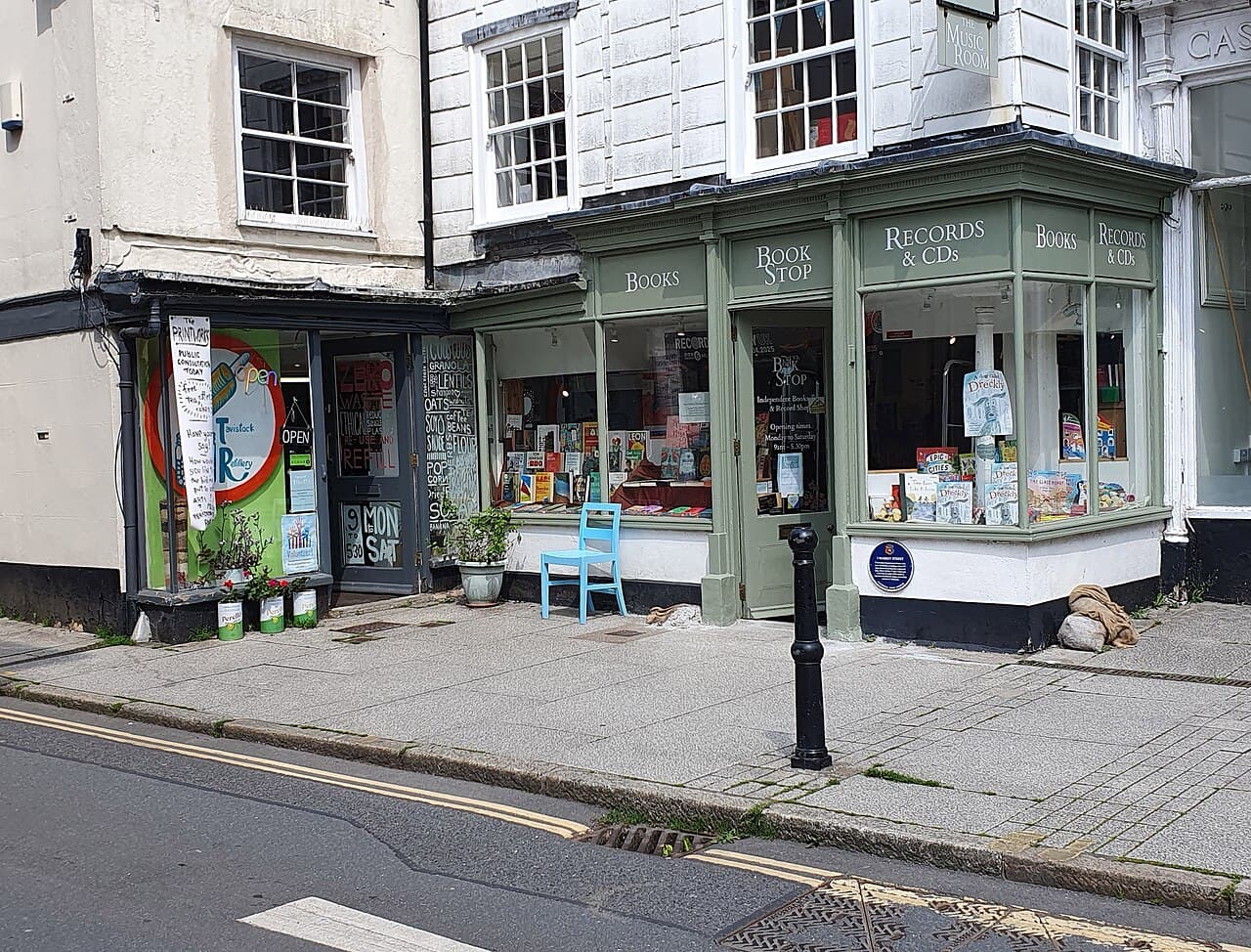
Photo: Haberdoedas Photography / Pexels. Stock photograph for illustration; no JASOTO customer, listing, tested product or endorsement is implied.
A visible Canadian business website still needs to help a visitor decide whether the service is suitable and how to contact the team. Review the page from the customer’s address, language and requested work through to the confirmation message. Useful detail and a functioning contact route matter more than producing another page with a different place name.
Practical next steps
- Verify service coverage.
- Review supported language versions.
- State currency and price scope.
Explain the service and actual coverage
Put the main service, inclusions and real municipality coverage where a visitor can read them. Explain how the team assesses addresses outside the normal boundary. Do not use a province-wide heading to imply guaranteed attendance or delivery if the actual operation cannot support it, and keep important facts available beyond an image or decorative banner.
Keep supported language versions consistent
If the website offers multiple language versions, review the service scope, contact routes and availability statements in each. Use a capable reviewer for the actual meaning. A translation should not introduce a different price or imply language support the team lacks, and a visitor should understand which contact options are currently available.
Clarify displayed currency and price scope
Identify the currency when presenting prices and explain the offer to which each amount applies. Keep starting prices, examples and confirmed quotes distinct. Describe included charges using verified business information, and route unresolved price questions to staff rather than publishing an invented tax calculation or a universal rule for every Canadian location.
Test labelled forms and real delivery
W3C guidance explains how labels help people understand form controls. Check readable labels, helpful instructions and the actual mobile form, then submit a permitted test and confirm it reaches the monitored destination. Ask only for information needed at this stage and provide an alternative contact route when the request cannot be completed through the form.
Source: W3C WAI: labeling form controls. Check the source for current guidance and terms.
Make confirmation match the actual status
Distinguish a received request from an accepted appointment or order. Explain the next response without inventing a deadline staff cannot meet. Review repeated visitor difficulties and suitable accepted requests after changes. A clearer website does not guarantee indexing or search positions, so judge the contact journey separately from available search reporting.
Checks for the actual business
- Verify service coverage.
- Review supported language versions.
- State currency and price scope.
- Test form delivery and status messages.
Frequently asked questions
Does a received form confirm an appointment?
Only say an appointment is accepted when the actual booking process has established that status.
Should language versions contain different offers?
Keep verified scope and price details consistent unless the business deliberately provides and clearly explains a real difference.
Explore JASOTO tools
Check the actual business information
Compare public details with the service and contact arrangements your team supports.
Browse business services