
Sexual Wellness · Adult shopping guide 2026
Buying Lingerie as a Gift in 2027: Size, Style and Recipient Choice
JASOTO · Updated 5 November 2026 · 3,167 words
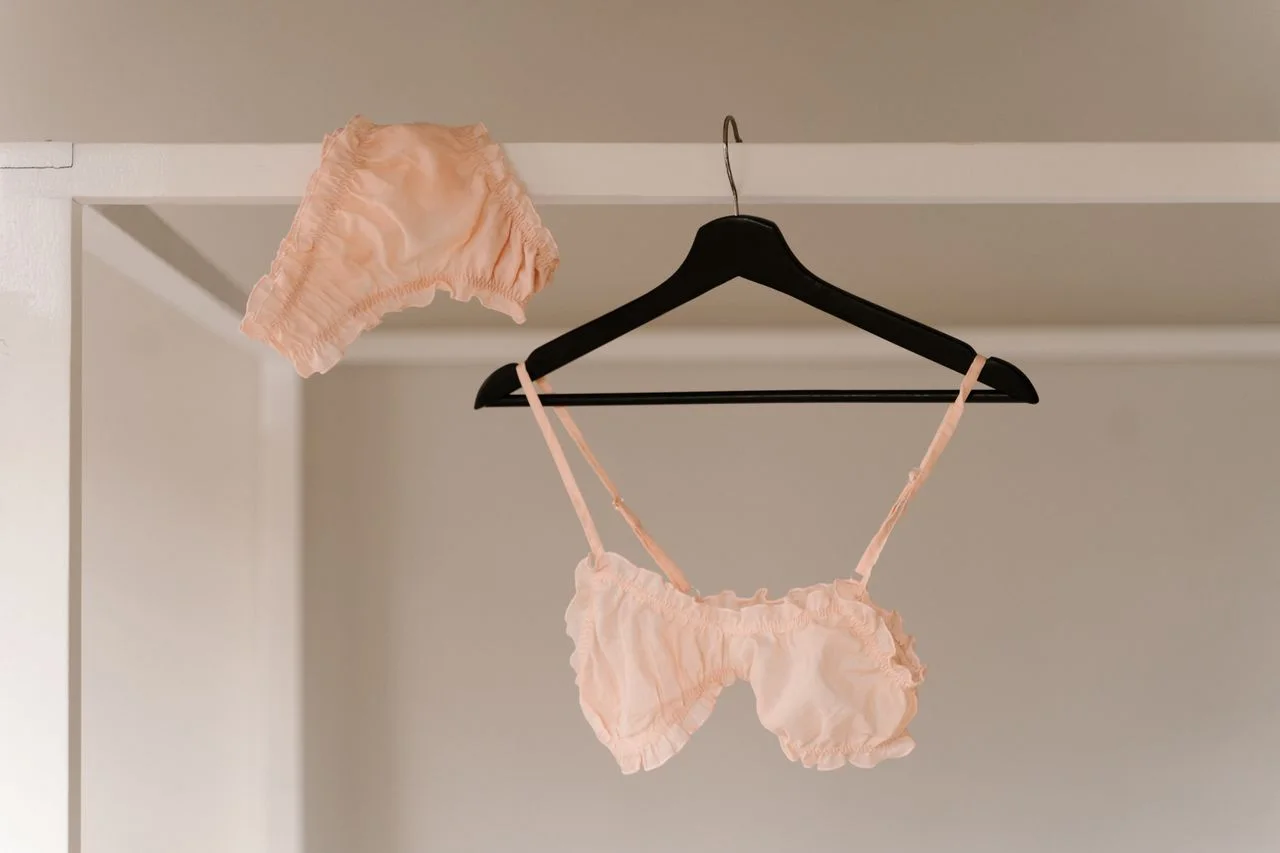
Illustrative stock photograph: cottonbro studio / Pexels, used under the Pexels License. Resized and converted to WebP. It does not show a tested House of Lucifer product or imply the photographer’s endorsement.
Buying lingerie as a gift is an exercise in listening before choosing. For adults shopping in 2027, a good present should reflect the wearer’s size information, preferred styles and comfort with receiving the gift. A recognisable brand, a familiar size label or a striking photograph does not remove the need to understand those details.
This guide is for the person choosing a gift, rather than a promise that one garment will suit every wearer. House of Lucifer’s current collections help illustrate the types of choice available. Confirm the exact product, brand chart, included pieces and current terms when ordering, and let the recipient make the decisions they want to keep for themselves.
Recipient choice is the starting point
- Establish that lingerie is a welcome gift.
- Ask which details the wearer wants to choose.
- Check the chart for the exact brand and garment.
- Confirm the pieces included in the selected option.
- Keep the receiving and follow-up arrangements comfortable.
Confirm that the gift category is welcome
Lingerie is a personal gift, so begin with whether the recipient would like to receive it from you. That question is different from whether you like a particular look. A partner may welcome choosing something together, prefer providing an exact wish-list item or want a different kind of present. Make the answer easy to give honestly. A gift is more thoughtful when the recipient can say what they want without having to protect the giver from disappointment.
Do not treat an occasion as permission to skip that conversation. Birthdays, anniversaries and Valentine’s Day can all be celebrated in many ways. If lingerie is welcome, agree the broad boundaries: style, coverage, spending and how much surprise is enjoyable. These details help you make a personal choice without guessing matters the wearer considers important. The category can be agreed while the wrapping, note or a small decorative detail remains a surprise. Mystery is optional; a welcome gift is essential.
Ask useful questions without turning it into an interview
A short conversation can be more useful than a long list of sizes and measurements. Ask whether the recipient prefers a set, nightwear or another familiar format, and whether they would like to select the item themselves. If they enjoy a surprise, ask which features are definite yeses or noes. You do not need an explanation for every preference. A simple request for more coverage, easier care or a particular fastening is enough to guide the purchase.
Avoid obtaining personal sizing information by inspecting clothes or private accounts without permission. If the wearer wants to share a label, chart or saved product link, let them choose how to do that. A named listing with the exact option selected can be the clearest answer. Keep the information private and use it for the agreed purchase. The present should not become a reason to discuss someone’s body publicly, compare them with a model or speculate about a size they have not chosen to share.
Use a collection to find styles, not to decide for the wearer
Browse House of Lucifer’s lingerie collection once you understand the kind of gift being considered. Use the categories to narrow the format and then read the individual listing. Collection photographs can give ideas about style, but they cannot tell you how a garment will fit or whether a recipient will enjoy it. A heading such as romantic or confident describes a presentation, not a requirement for the person wearing the clothes.
Keep a shortlist small enough to discuss. Three clear options with the relevant practical details are usually easier to compare than twenty similar images. For each option, identify the reason it matches the wearer’s stated preferences. If the only reason is that you like the photograph, there is more choosing to do. A good shortlist makes the recipient’s decision easier if they want to participate; it should not create pressure to pick something merely because a lot of browsing has already happened.
Treat the exact brand chart as part of the product
Before selecting a size, identify the brand and the chart that applies to the garment. A familiar label from another retailer may not describe the same construction or fit. Check which measurements or sizing system the product uses, and ask the seller when the information is unclear. Do not invent a general conversion between charts or assume a numerical similarity means the same thing. You are buying the selected item, not an abstract size that must work identically everywhere.
Where the recipient supplies their usual size, treat it respectfully as a starting point rather than a problem to be corrected. They may know a brand well or prefer to compare the chart themselves. If an important detail is missing, offer to pause the order until it is resolved. Guessing a size to preserve a surprise can leave the wearer managing an avoidable problem. A purchase made slightly later with the right information is often more considerate than an early parcel chosen with confidence that the evidence did not support.
Check how sets and separate pieces are sized
In House of Lucifer’s lingerie-set collection, check whether the listing supplies all the pieces shown and how the selected size applies to them. A coordinated photograph may include optional components. Some wearers prefer different sizes for different pieces, so a single set label may not answer the whole question. Read the exact contents and available choices rather than assuming that the word set guarantees every element of the image arrives in a suitable combination.
If separate components are available, compare the actual options and full cost of the combination the wearer wants. If they are not, do not assume you can exchange part of a set independently. Ask about that requirement before ordering or choose a different format. Matching is a style preference, not a reason to accept an unsuitable component. An individual garment the recipient genuinely likes may be a more useful gift than a larger coordinated purchase that contains a piece they would not have selected.
Discuss style and coverage as ordinary preferences
The recipient may have clear views about colours, shapes, coverage and decorative details. Treat those views as useful buying information rather than obstacles to a romantic idea. A style can look appealing online while still being something the wearer does not want. Avoid using a gift to introduce a format they have already said they dislike. If you are curious about a different style, make it a conversation with a genuine option to decline, not an unexpected item they are expected to model.
Think about the contexts in which the garment would be worn. Everyday comfort, nightwear and a deliberately chosen special-occasion outfit can involve different preferences. Let the wearer decide which context matters for this gift. There is no universal progression from simpler to more elaborate clothing that a present needs to follow. A familiar style in a preferred colour can show more attention than a dramatic change selected because it appears more impressive in the packaging.
Read the fabric and care details before choosing
Look for identified fabric information and the manufacturer’s care instructions where provided. Do not infer a complete care routine from how shiny, delicate or soft a garment looks in a photograph. A gift should fit the wearer’s practical routines as well as their style. If an item needs care they do not want to manage, it may not be the right choice even if its appearance is appealing. Ask about missing information before purchasing when it affects that decision.
Where a recipient has particular material preferences or sensitivities, allow them to review the details themselves or seek appropriate advice. Do not describe a product as suitable for everyone because of a general marketing word. Keep labels and instructions available when presenting the gift. The wearer should not have to search for basic care information because it was removed to make the parcel look more attractive. Good presentation can sit around the original product information rather than replace it.
Look at adjustment and fastening arrangements
Small construction details can decide whether a garment feels manageable. Check how it fastens, which elements adjust and whether the wearer wants to deal with those features. A photograph may show the front clearly but leave the back or fastening unclear. Seek additional product information if one of those details matters. Avoid assuming that a complicated-looking design is automatically more thoughtful or that the recipient will happily solve an unfamiliar fastening arrangement because the item was given as a present.
The same questions matter for access requirements, ease of changing and personal routines. Ask the recipient which details they want considered, without demanding private information they do not wish to share. A simple garment can be the right choice for many different reasons. If the listing does not provide enough detail to answer an essential question, choose a better-described option. A confident purchase is one where the practical requirements are understood, not one where an important uncertainty has merely been ignored.
Do not use a model photograph as a fit prediction
Product photography can show a style and its visible features, but it cannot predict the experience of another wearer. Do not compare the recipient’s appearance with a model or assume that the same effect is promised by choosing the item. Focus on the product’s stated information and the wearer’s preferences. It is reasonable to like a colour or decorative detail in a photograph; it is not useful to turn that image into an expectation about how the person receiving the gift should look.
Check whether a photograph shows the exact colour or version selected in the product options. Similar images may be used across related items, and accessories can be styling props rather than included goods. Read the item title and description alongside the image. If the details conflict, ask the seller before ordering. That careful check is more valuable than repeatedly viewing the same promotional photograph and hoping it will answer questions about size, contents or the final selected option.
Check actual availability in a wider size range
If the wearer wants a wider range of sizes, House of Lucifer’s plus-size lingerie collection provides another place to research. Treat the collection name as a navigation aid, then inspect the sizes and measurements offered for each individual item. It does not establish that every style is available in every size. Avoid substituting a different format solely because one item lacks the requested option. The recipient should still lead the choice of style and coverage.
Do not describe sizes as better, smaller or more desirable when discussing the present. Use the information needed to select the garment accurately and leave value judgements out of the conversation. If the preferred size is unavailable, you can wait, choose another agreed item or change the gift category. Buying an unsuitable size because it is the one currently offered does not preserve the thought behind the gift. A useful purchase respects the wearer’s information as it is, rather than treating it as something to work around.
Choose a budget that leaves room for the right decision
Set the complete amount you want to spend, including any relevant delivery cost, before comparing sets and individual pieces. Avoid increasing the order simply to make the present look substantial. A clear spending limit can make it easier for the recipient to choose comfortably if you are shopping together. Explain whether additional pieces are genuinely optional, so they do not feel obliged to select a larger set because it appears to be what you expected.
Compare the selected product rather than its most attractive headline price. The size, colour or version you want may have different availability from the example used in an offer. A claimed saving is not part of the money you can spend. When an option does not fit the budget, look for another welcome choice instead of treating the difference as a test of generosity. A well-matched garment and a considerate note can be a complete gift without a collection of extra products added around it.
Understand the receiving and privacy arrangements
Think about where the parcel will arrive and who will be comfortable receiving it. Check current packaging and notification information if privacy matters to the recipient. An outer parcel, an order confirmation and a tracking message are different parts of the experience. Do not assume that a discreet parcel automatically keeps every communication private. If you want to receive it first and wrap it yourself, make sure the address and contact details reflect that plan.
Avoid sending a personal gift to a workplace or shared address without agreement. The recipient should not have to explain an unexpected parcel to somebody else in order to preserve your surprise. Choose a handover setting they are comfortable with, and do not plan public unwrapping or photographs without asking. Privacy is part of making the gift easy to receive. It is more useful to arrange that calmly than to rely on the recipient reacting in a particular way when the parcel arrives.
Keep labels and current returns information intact
Read the retailer’s current conditions before removing labels or altering packaging. Do not assume that every garment can be tried or returned in the same way, particularly where a set contains different kinds of items. Ask a specific question before ordering if you need to understand a fit-check or gift-return arrangement. Keep an order confirmation accessible so a recipient can identify the exact item if they want to discuss it, rather than relying on your memory of the photograph.
Present any practical follow-up as a normal part of the gift, not as evidence that the recipient has failed to appreciate it. A garment can be unsuitable despite a thoughtful selection process. Let the wearer raise that point without having to justify their body, comfort or preferences. Where an order is wrong or a problem needs reporting, use the retailer’s stated process and describe the actual issue. Avoid promising a particular remedy before you have checked the current conditions and the circumstances.
Use a wish list without making the purchase impersonal
A wish list can communicate the information that matters while still leaving room for a personal gift. Ask the recipient to include the exact product and selected option if they want a precise choice. If they prefer a broader suggestion, note which features are essential and which are open to interpretation. Do not assume that one saved image authorises every related style or a different size. The list is useful because it reduces uncertainty, not because it transfers every decision away from the person receiving the item.
Add your own attention through the message and presentation. You can explain why you enjoyed choosing something they wanted, arrange a convenient handover or include an agreed small detail. None of that requires changing the selected garment or adding an unexpected item from another category. A precise choice can still feel deeply personal when it shows that someone listened. The surprise does not need to come from the dimensions, coverage or other practical information that determines whether the gift will be usable.
Compare three sensible gift approaches
One recipient may want to choose the exact garment together and let the giver handle the order and wrapping. Another may prefer providing a brand, size and small shortlist, leaving the final colour or style as a welcome surprise. A third may decide that a different present would be easier to enjoy. These examples are not a ranking of romantic effort. They demonstrate that a good gift process can take different forms depending on the recipient’s comfort with the category and the choice.
Use the approach that involves the fewest important guesses. If you cannot establish that the gift is welcome, pause the category. If the category is welcome but sizing remains uncertain, choose together or wait for clear information. If the exact product is already agreed, focus on ordering it accurately rather than searching for a more dramatic alternative. The aim is a recipient who feels considered, not a giver who can claim to have made every decision without help.
Place the order using a final product read-back
Before paying, compare the selected item with the information you agreed to use. Read the brand, garment name, size, colour, included pieces and complete total. Check the delivery address and current timing information. Save any useful sizing answers with the confirmation. This last check prevents a sound gift decision being undermined by an incorrect option left in the basket. If the product has changed or the information is no longer clear, return to the recipient’s requirements rather than guessing.
When buying for an occasion in 2027, recheck the future stock and terms at the time of purchase. A current collection can help with research but does not reserve a style or establish a delivery promise. Keep the choice flexible enough that a suitable alternative or another gift category remains possible. A thoughtful lingerie present is one that respects the wearer before, during and after the purchase. Getting the order right is part of that care; so is making it easy to say that a different choice would suit them better.
Before ordering a lingerie gift
- The recipient welcomes this gift category
- Choice and surprise boundaries are understood
- Exact brand chart and selected option are checked
- All included pieces are identified
- Receiving and privacy arrangements are agreed
- Labels and follow-up information will remain available
Frequently asked questions
How do I choose a lingerie gift without guessing a size?
Ask which information the wearer is comfortable sharing and use the exact garment’s brand chart. An agreed product link or a shared choosing session can remove important uncertainty.
Can I buy the same size the recipient wears in another brand?
Treat it as a starting point, not a guarantee. Construction, charts and adjustment can differ, so check the selected product’s information.
Does a set always include every piece shown in the photograph?
No. Read the exact listing and selected option to establish what is included and whether pieces are sold or sized separately.
Should a lingerie gift be opened in front of other people?
Only if the recipient is comfortable with that arrangement. Agree a suitable handover and avoid making a public reaction or photograph part of the surprise.
Is choosing lingerie together less thoughtful than a surprise?
No. A precise choice can show attention to the wearer’s preferences. The note, presentation or another agreed detail can still be personal.
Do current collection pages guarantee availability for a 2027 occasion?
No. Recheck the exact stock, size options, price and terms when ordering. This guide does not reserve any future product.
Explore JASOTO tools
Research House of Lucifer on JASOTO
See the approved business profile and its linked buying guides before choosing which retailer pages to explore.
View the House of Lucifer profile