
Sexual Wellness · Adult shopping guide 2026
Wedding and Honeymoon Lingerie 2027: A Practical Fit and Packing Guide
JASOTO · Updated 5 November 2026 · 3,196 words
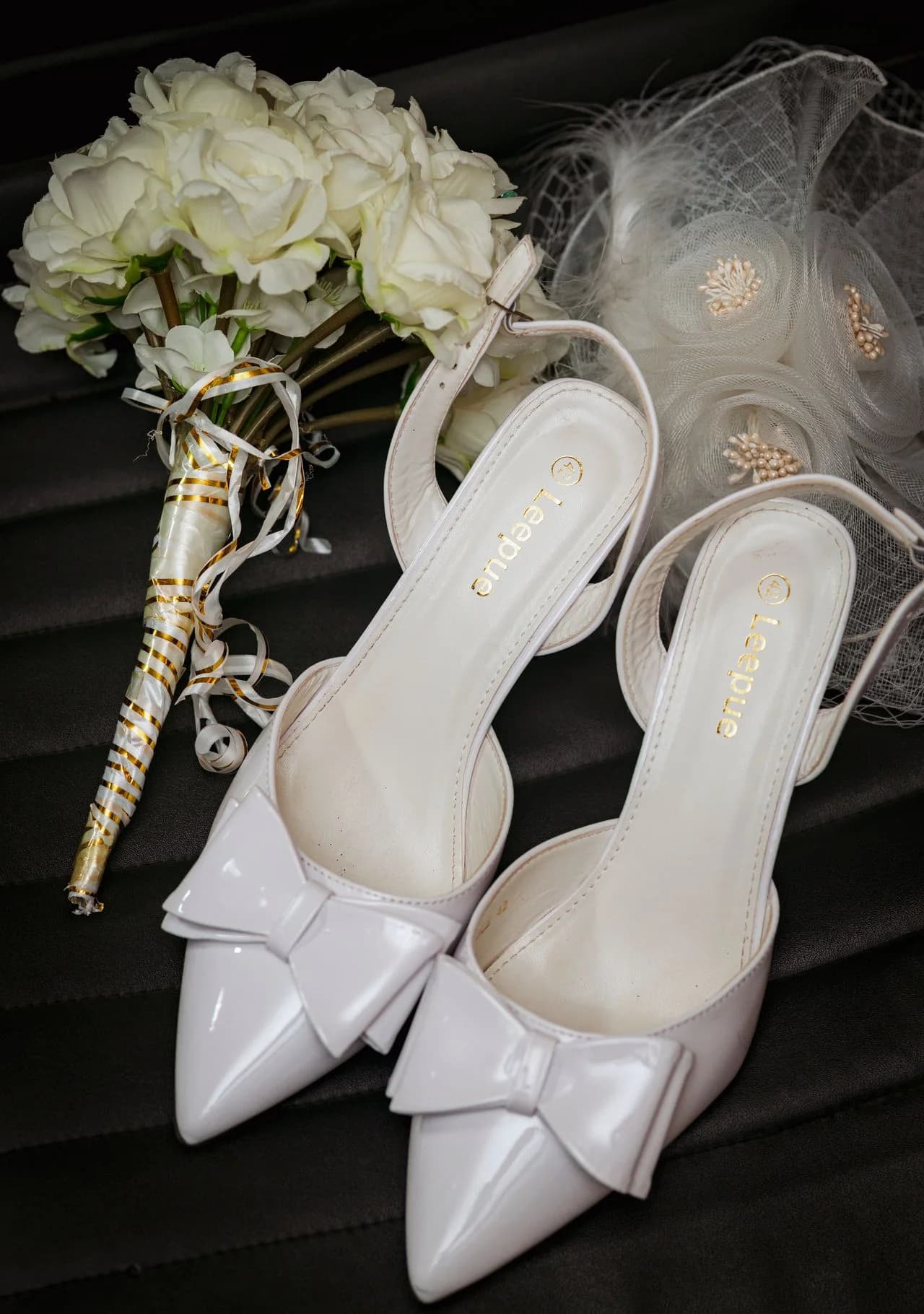
Illustrative stock photograph: Alfredo Dacosta / Pexels, used under the Pexels License. Resized and converted to WebP. It does not show a tested House of Lucifer product or imply the photographer’s endorsement.
Wedding lingerie and honeymoon lingerie often solve different problems. One may need to work quietly under a carefully fitted outfit for a long day; the other may be a separate choice for comfort, style or a private occasion. For adults planning a wedding or honeymoon in 2027, treating those purchases as two decisions can prevent an attractive garment becoming an awkward compromise.
This is a practical shopping and packing guide, not a promise about a particular future collection. Use House of Lucifer’s current ranges to research styles, then confirm the exact garment, brand chart, care instructions and current ordering terms. The wearer’s preferences remain more important than a conventional idea of what wedding lingerie should look like.
Two occasions, two sets of requirements
- Start with the outfit the garment must work under.
- Use the exact brand and garment sizing information.
- Treat honeymoon clothing as a separate packing decision.
- Leave time for current dispatch arrangements and questions.
- Keep a comfortable backup that the wearer already trusts.
Separate an outfit foundation from a special-occasion choice
Write down what the wedding-day garment actually needs to do. It may need to remain unobtrusive under a particular neckline, work with a chosen back shape or feel comfortable during several changes of activity. A honeymoon purchase might have no connection to that outfit at all. Trying to make one item fulfil every role can narrow the choice unnecessarily. Decide which requirement is essential for each purchase before looking at colours, coordinated sets or a styled promotional photograph.
The wearer does not have to want a separate special-occasion garment. Familiar, comfortable clothing may be the preferred answer for the wedding, the trip or both. If a new purchase is wanted, define what would make it worthwhile: a particular style, a useful replacement or something chosen for a specific outfit. This keeps the shopping connected to the person’s plans. The wedding date should not turn an optional item into a requirement simply because it appears on somebody else’s preparation checklist.
Choose the wedding outfit before narrowing the lingerie
A useful place to research is House of Lucifer’s bridal-lingerie collection, but assess each option against the actual clothing it will accompany. A garment photographed on its own cannot demonstrate whether its straps, edges, colour or fastenings will work under your chosen outfit. Bring the requirements from the outfit fitting into the comparison. If alterations are still changing the neckline or back, avoid assuming a purchase made much earlier will remain the most suitable choice.
Consider the whole outfit rather than a single front-facing view. Sitting, walking, reaching and wearing an additional layer can change what feels practical. An outfitter or the person handling the clothing alterations may be able to explain which undergarment features would affect the fit. Their advice should be specific to the outfit you are wearing, not a general rule about what every bride or wedding guest needs. Keep the final choice with the wearer, who will experience the day in it.
Use the exact chart rather than a familiar size label
Check which brand and garment the listing describes, then use the sizing information supplied for that item. A size worn in a different shop is a starting point, not a guarantee. Matching-looking labels can conceal different construction or adjustment. Where measurements are requested, follow the relevant chart’s method and ask the seller about an unclear detail. Do not invent a conversion between sizing systems just because the letters or numbers look close to a label already in the wardrobe.
If the wearer’s preferences or measurements may change before the occasion, discuss the purchase timing rather than trying to predict a future fit. You can research styles well in advance and make the final choice when the information is more useful. Keep a record of the chart, selected option and any written answer from the retailer. It is much easier to review a specific sizing question with those details than with a screenshot of a model wearing an unidentified version of the garment.
Compare garment construction and adjustment
Read about the features that affect how the item is worn: strap options, fastening positions, adjustable elements and whether individual pieces are supplied separately. A description such as bridal, flattering or luxurious does not answer those practical questions. Look for clear photographs of the relevant details and ask for clarification where a required feature cannot be seen. The right construction is the one that works with the wearer’s outfit and preferences, rather than the one with the most elaborate styling.
Avoid buying with the expectation that you can easily alter an important feature later. Adjusting a strap as intended is different from changing the garment’s construction. If a particular fastening, support arrangement or level of coverage is essential, choose an item that is described accordingly. The wedding preparation period is already busy; an uncertain alteration project adds another dependency. A simpler item with clear information can be a more practical purchase than a complicated style selected mainly for its photograph.
Think about colour, fabric and visibility together
The colour name on a product page is only part of deciding whether a garment suits an outfit. Look at the clothing’s fabric, lining and intended coverage as well as the undergarment itself. A style bought for a separate occasion does not need to be invisible under wedding clothing, while an outfit foundation may have precisely that job. Distinguish those uses instead of assuming that white, cream or another traditional wedding colour is automatically the right answer for every outfit.
Use the available fabric information to consider texture, stretch and care requirements, without predicting a feel that you have not experienced. If a seam, trim or decorative feature could matter under the outfit, raise that question at the fitting. Photos on different screens and in different lighting are not a reliable substitute for assessing an actual combination. Give yourself time to resolve the important details rather than relying on a last-minute purchase that leaves no comfortable alternative if the appearance is different from expected.
Plan for the full length of the wedding day
A wedding-day choice needs to fit more than the short period when photographs are taken. Think about getting ready, travelling, sitting through a ceremony, eating and spending time with guests. The wearer may want something easy to manage through that sequence. Make comfort a concrete requirement by considering the fastenings, layers and degree of adjustment they are happy to handle. A garment that is enjoyable for a short private occasion may not be the preferred option for an entire busy day.
Where trying an item is permitted, follow the retailer’s instructions and preserve any relevant labels or seals. Consider ordinary movement rather than judging the choice only while standing still. If an item does not feel right, do not assume that the importance of the occasion requires tolerating it. You can keep an attractive special-occasion purchase for another purpose and use a familiar alternative under the wedding outfit. The practical success of the day should not depend on proving that every new purchase was necessary.
Check whether a coordinated look is sold as one set
When browsing House of Lucifer’s lingerie sets, read exactly which pieces are included and whether the selected option matches the photograph. A coordinated image can contain separately sold items. Check sizes for each component where relevant; one person may need different choices for different pieces. Do not assume that a combined label resolves that question. A clear contents description is particularly important when an item is being bought as a gift or added to a larger outfit order.
Compare a set with selecting separate pieces only when that is an actual option, and use the full cost of the choices you want. A matching look is not essential if a different combination is more comfortable or useful. If one part of a set is unwanted, recognise that in the value comparison instead of assuming it becomes a good purchase because it matches. You are planning clothing for a real person and a real event, not recreating every element of a styled retail image.
Choose honeymoon nightwear for the trip you are taking
A second research point is House of Lucifer’s nightwear collection. Compare items against the accommodation, season and amount of luggage you expect to have, rather than treating honeymoon as a single clothing style. A short city break, a long journey and a quiet stay in one place can produce different practical priorities. Think about comfort, care, space and the wearer’s usual preferences. An item can feel special without being particularly complicated to pack or manage.
Do not assume a new garment must be worn on a particular night to justify buying it. Travel can be tiring, plans can change and a familiar option may feel more appealing on arrival. Keep the purchase optional within the trip. If the wearer prefers everyday nightwear or would rather spend the budget on something else, that is a complete decision. A honeymoon wardrobe should make the stay easier to enjoy, not create another schedule of clothing choices that someone is expected to follow.
Create a small packing list rather than a second shopping list
List the clothing you genuinely need for the trip before browsing for additional pieces. Include the ordinary items you already own, the new items you have deliberately chosen and any essential care information. This shows whether a gap actually exists. A honeymoon label can make optional purchases seem urgent, but an attractive garment is not useful simply because it fills more space in a suitcase. A compact selection is easier to organise and leaves room for the rest of the trip.
Pack according to the garment’s construction and the instructions provided with it. Keep details that would be difficult to identify later, especially when several items are similar. Avoid relying on hotel facilities or a particular laundry arrangement unless you have checked them. You can choose clothes that fit the conditions you know rather than planning to solve every care question after arrival. The useful question is whether the items support your itinerary with a reasonable amount of effort, not whether the packing list looks impressive.
Use the care label to decide what is practical
Read the care information before adding a garment to a travel wardrobe. Do not assume that all lace, satin-looking fabrics or stretch garments have the same requirements. Material descriptions and manufacturer instructions are more useful than an appearance-based guess. If a care instruction is missing and it affects whether you can use the item on the trip, ask before ordering. An item that needs a routine you are not willing or able to follow may be a poor fit even if you like its style.
Keep washing and storage decisions proportionate to the purchase. A special item does not need an elaborate invented care method, and an unfamiliar online tip should not override its label. Plan how you will keep clean and worn items organised while away, without adding unnecessary products to the order. If the trip offers limited space or time, a different garment may be the simpler choice. Good planning means selecting a realistic care requirement as part of the purchase, rather than discovering it as an unwelcome extra.
Leave time for questions and the current dispatch arrangement
Choose an ordering timeline that allows you to resolve sizing or product questions before the occasion. Read the current information for the exact item, including any supplier-specific or made-to-order arrangement. A general banner cannot answer every product’s timing. Keep dispatch separate from delivery, and remember that an estimate made while researching for 2027 may no longer be current when you buy. If the date matters, ask a clear question that names the item and the occasion rather than requesting a general reassurance.
Keep a practical fallback in the plan. You may already own a suitable garment for the outfit, or choose a simpler alternative if the preferred item cannot be confirmed in time. This avoids placing too much pressure on a single parcel. Check what the retailer says about fit checks and returns before opening packaging or removing labels. Do not assume every garment can be tried in the same way or returned under identical conditions. Clear information at the ordering stage is more useful than a rushed disagreement afterwards.
Prioritise the budget across the whole clothing plan
Decide how much of the wedding and travel budget you actually want to allocate to these items. Separate the essential outfit requirement from optional coordinated pieces, nightwear and presentation. That makes it easier to see where a useful purchase ends and an expanding collection begins. A garment does not become essential because it appears in a bridal edit. If it duplicates something that already works, decide whether the new style adds enough personal value to justify its complete current cost.
Compare the selected sizes and options after adding any relevant delivery cost. Avoid using a claimed saving as permission to exceed the amount you chose. You may prefer one carefully selected item rather than a set, or decide that separate wedding-day and travel choices make more sense than one expensive compromise. The budget belongs to the wearer’s priorities and the wider plans. It should not be set by a list of wedding expectations that nobody involved has actually agreed to follow.
Keep gifts and partner preferences in proportion
If someone else is buying the lingerie as a gift, agree how the wearer will make the important choices. They may want to provide a shortlist, choose a specific item or prefer a different kind of present altogether. Surprise does not need to include guessing a size, level of coverage or fastening arrangement. Make it clear that the gift can be discussed without disappointing the giver. A wedding-related present should feel supportive, rather than adding another task of managing someone else’s expectations.
A partner can have a view without taking over the decision. The person wearing the garment knows which features feel comfortable and which styles they want to choose. Keep that distinction clear when discussing photographs or coordinated looks. Avoid treating a honeymoon purchase as a promise about how the trip will unfold. It is clothing, not an agreement to follow a particular plan. The most personal choice is one that makes room for the wearer’s preferences, including the preference not to buy something new.
Consider practical access and handling requirements
Think about the details that make an item manageable for its wearer: reaching a fastening, adjusting straps, reading a label or changing clothes during the day. These questions are individual and should be discussed in the way the wearer prefers. A general collection filter cannot establish that a garment suits every access requirement. If an important detail is not clear from the listing, ask a specific product question or choose an option whose construction is better described.
Keep any planned help private and agreed. A complicated garment is not automatically more special, and a simpler design is not a lesser wedding choice. The same principle applies to the travel wardrobe, where long journeys and unfamiliar accommodation can change what feels convenient. Build the clothing plan around the person’s routines and preferences instead of expecting them to adapt to a photograph. Practicality is part of a good fit, even when the occasion is formal or the item is intended to feel different from everyday clothing.
Use two realistic shopping scenarios
Imagine a wearer with a fitted wedding outfit and a short honeymoon. Their first decision is an unobtrusive, comfortable garment that works with the outfit fitting. Their second is whether they want one separate nightwear item for the trip. Comparing those requirements independently avoids buying a single elaborate set that does neither job particularly well. The plan can remain small, with the familiar outfit option kept available if the new purchase does not suit the final clothing combination.
A different wearer may have no special undergarment requirement for the wedding outfit and enjoy choosing several coordinated items for a longer stay. Their priorities might be the brand chart, care instructions and whether the selected pieces can be bought in the sizes they want. Neither example establishes a universal wedding wardrobe. They show why the same shop collection can lead to different sensible purchases. Start with your own use case, then check whether the exact item supports it without requiring you to invent the missing details.
Finish with a wearable plan for 2027
Before paying, read back the garment name, brand, selected size and colour, included pieces, total cost and current delivery information. Keep any answers about fit or construction with the confirmation. If an essential requirement remains uncertain, pause the purchase rather than assuming the importance of the occasion will make it work. Check the new item against its intended role when it arrives, following the seller’s instructions, and retain the practical information until you are satisfied that the order matches the description.
Revisit availability and terms when you are actually buying for 2027. A current collection can help you research ideas, but it is not a future stock list or a delivery guarantee. Let the wedding outfit, the travel plan and the wearer’s preferences guide the final selection. A successful clothing purchase is one that can be worn comfortably and managed without unnecessary effort. When those questions have good answers, you have a stronger basis for choosing than any general promise that a product is perfect for every wedding.
Wedding and honeymoon clothing checks
- Wedding-day and honeymoon roles separated
- Outfit requirements identified at the relevant fitting
- Exact brand chart and selected size checked
- Included pieces and adjustments understood
- Current ordering and returns information reviewed
- Comfortable backup and realistic packing plan available
Frequently asked questions
Should wedding and honeymoon lingerie be the same item?
Only if one garment genuinely suits both purposes. An outfit foundation and a separate travel or special-occasion choice can have different requirements.
Does a bridal label guarantee a garment works under my wedding outfit?
No. Check the actual neckline, back, fabric, construction and fit of the outfit with the garment you intend to wear.
Can I use my usual size without checking the brand chart?
A familiar size is a starting point, not a guarantee. Use the exact garment’s brand information and ask about any important uncertainty before buying.
Is a coordinated photograph always a complete lingerie set?
No. Read the selected listing to establish which pieces are included and whether components are sold or sized separately.
What if I prefer familiar underwear for the wedding day?
That is a valid choice. New lingerie is optional, and the wearer’s comfort and preferences should lead the clothing plan.
Are the linked collections a confirmed 2027 wedding range?
No. They are current research destinations. Check the exact future stock, prices, sizing information and delivery terms when ordering.
Explore JASOTO tools
Research House of Lucifer on JASOTO
See the approved business profile and its linked buying guides before choosing which retailer pages to explore.
View the House of Lucifer profile