






















Global Business · New Zealand Guide 2026
New Zealand Business Listings: A Reliable Public Record
JASOTO · Updated 5 October 2026 · 319 words

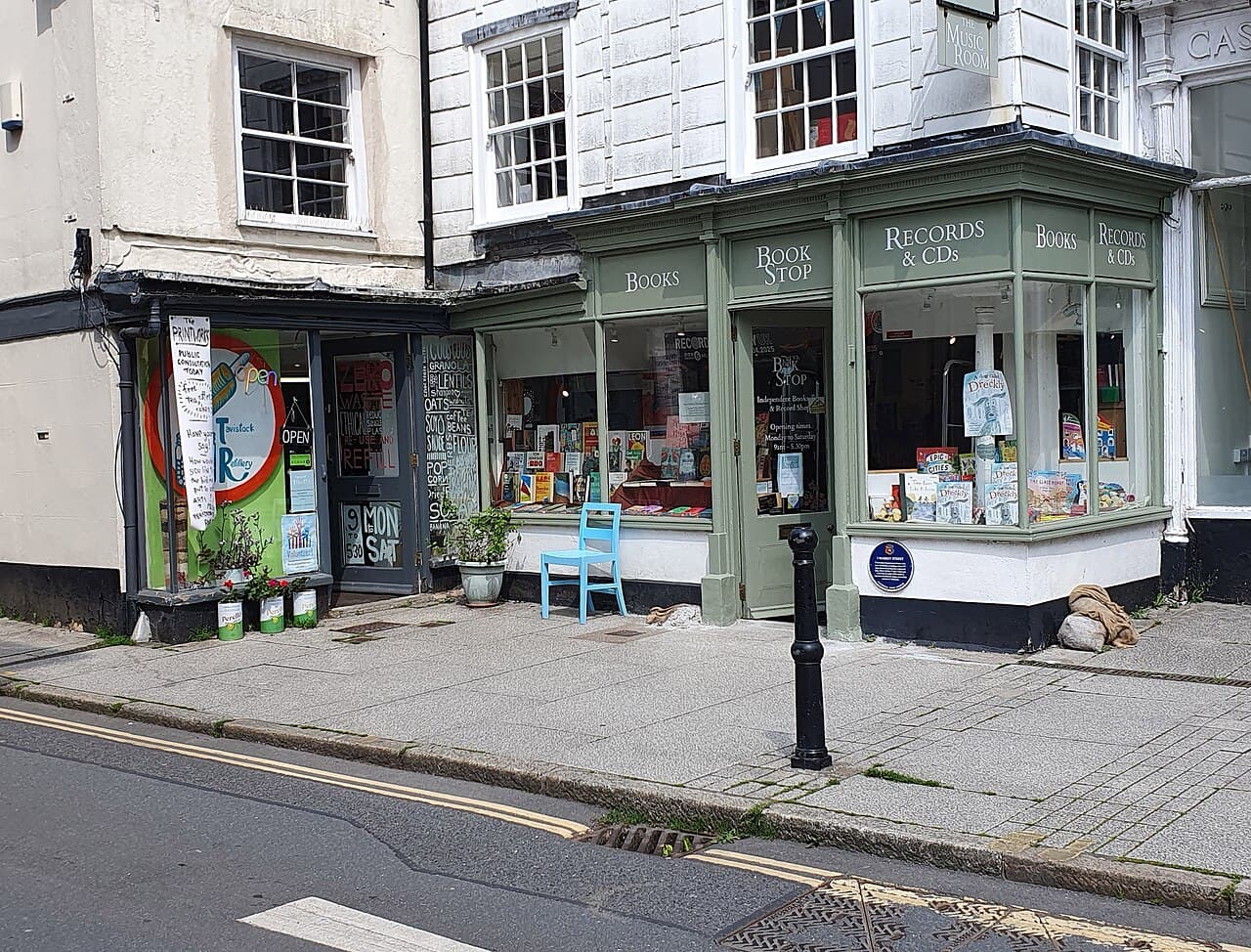
Photo: Vanessa Garcia / Pexels. Stock photograph for illustration; no JASOTO customer, listing, tested product or endorsement is implied.
A New Zealand business directory entry needs to help a customer recognise the operation and reach the right person. Build one verified public record before copying details to more platforms. This guide focuses on maintaining that record through changes in premises, services and contact arrangements rather than treating directory volume as evidence of commercial growth.
Practical next steps
- Assign an owner for public details and accounts.
- Check genuine premises and receiving arrangements.
- Verify services, hours and language capability.
Give the public record a responsible owner
Identify who approves the business name, website and contact details and who can update each listing account. Keep a record of platforms used and the last verified details. When staff change roles, transfer authorised access deliberately so a departed account holder does not become the only person able to correct public information.
Check premises against the actual receiving arrangements
Google’s representation guidance describes eligible locations and public business identity. Compare the listed address with where the business actually receives customers or starts its service operation. An administrative address should not suggest a public shop, and a place mentioned in promotion should not imply a staffed branch that does not exist.
Source: Google Business Profile: representation guidelines. Check the source for current guidance and terms.
Make services and availability understandable
Describe the services staff can provide and any assessment needed before a visit or order. Verify hours against the receiving team, keeping appointment arrangements clear when applicable. Avoid adding unrelated service categories merely to appear in more searches, and remove claims about qualifications, facilities or stock that the operation cannot substantiate.
Keep contact language and amount information consistent
State which English, te reo Māori or other contact languages the actual team supports. Have a capable person check translated descriptions where they are offered. Identify currency for any displayed amount and explain whether it is an example, starting figure or accepted offer, without allowing different listings to imply conflicting service conditions.
Use an update log and verify the customer route
Record changed premises, phone numbers and service details, then check the public entries after editing. Open links on a phone and test a permitted contact example with the monitored owner. Investigate wrong destinations and unanswered messages alongside useful requests; a completed edit does not prove that every platform has published it or that it will generate accepted sales.
Checks before proceeding
- Assign an owner for public details and accounts.
- Check genuine premises and receiving arrangements.
- Verify services, hours and language capability.
- Record updates and test the contact route.
Frequently asked questions
Does submitting an edit prove the listing is updated?
Inspect the public result and keep pending or rejected changes visible.
Can a target town be described as an office?
Use that description only when it reflects the actual operation.
Explore JASOTO tools
Check the service and contact arrangements
Compare public information with the operation your team actually supports.
Browse business listings