























Global Business · New Zealand Guide 2026
New Zealand Contractor SEO: Useful Local Job Pages
JASOTO · Updated 5 October 2026 · 318 words

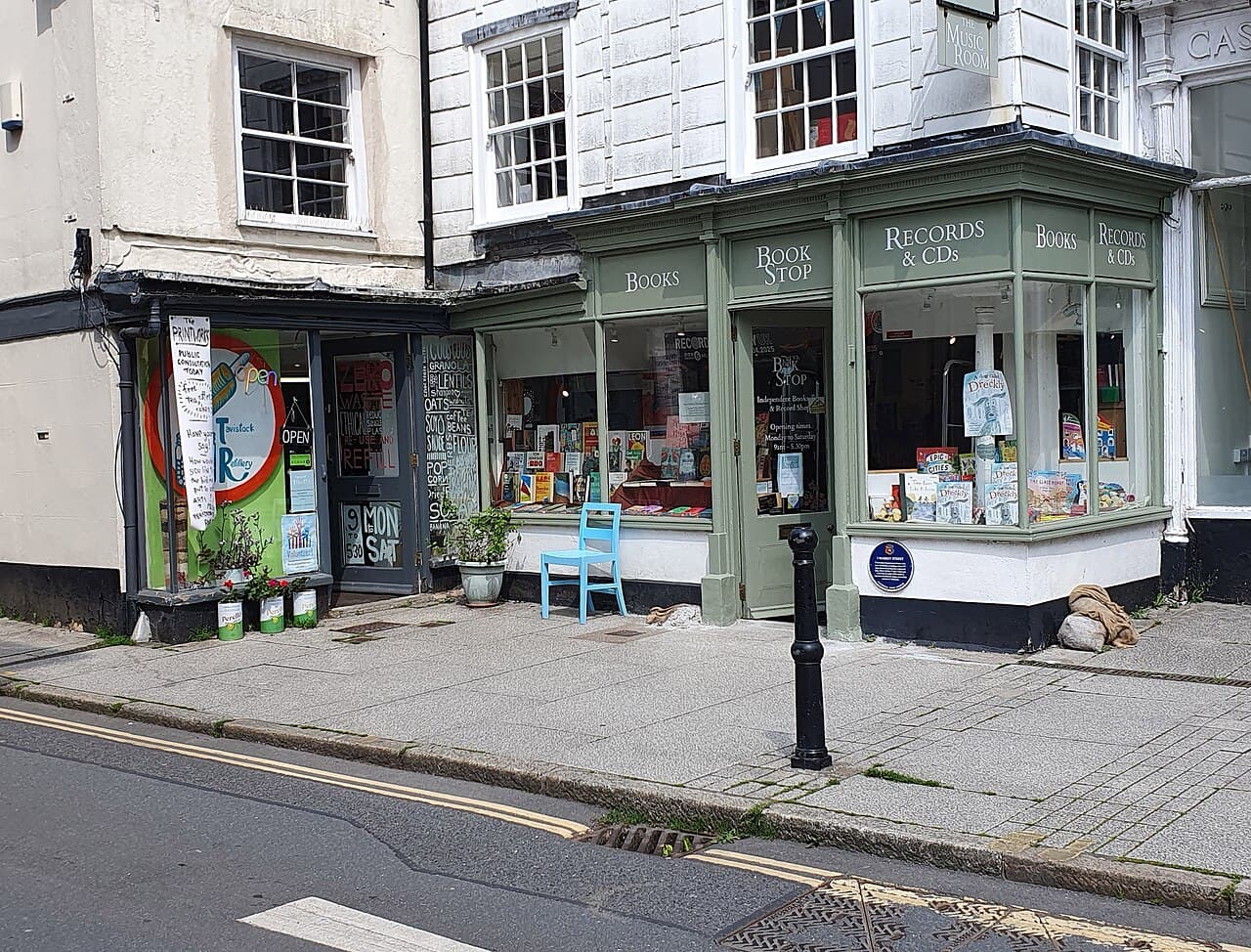
Photo: https://kaboompics.com/ / Pexels. Stock photograph for illustration; no JASOTO customer, listing, tested product or endorsement is implied.
A contractor’s local search page should answer a customer’s question about work the New Zealand business can actually assess. Choose the job and district before deciding what needs a separate page. Verified service details and a usable next step provide a practical reason to publish; repeating a national marketing template with another town name does not.
Practical next steps
- Choose a recurring service question.
- Verify useful district-specific details.
- Remove place-name-only doorway content.
Choose a service question that needs explanation
Ask the receiving staff which job details customers repeatedly misunderstand, then select the question the page should answer. Describe work included, relevant exclusions and information needed for assessment. Keep location references connected to the operation so a customer can judge fit without assuming every service is available throughout the country.
Verify the district-specific information before drafting
Confirm actual coverage, staff attendance and access-assessment arrangements with the people carrying out the work. Where there is a genuine difference between districts, explain it directly. If the facts are the same, consider whether a clear service page and coverage section would be more useful than a collection of near-identical local articles.
Avoid place-name pages that offer no distinct answer
Google’s spam policies describe doorway abuse involving pages aimed at similar queries that funnel visitors elsewhere. Inspect each proposed page for its own useful explanation and next action. A new heading or URL does not establish additional customer value, and publishing more district pages cannot guarantee that Google will index or rank them.
Source: Google Search Central: spam policies and doorway abuse. Check the source for current guidance and terms.
Review the language and displayed offer together
Check any English, te reo Māori or other offered version with a capable reviewer, preserving job scope and assessment conditions. Describe only the contact languages staff actually handle. Identify currency and clarify starting amounts when used, and keep service boundaries consistent so a translation does not silently promise a different offer or wider geographic availability.
Test the assessment route and observe actual outcomes
Use a permitted request to check the form, mobile layout and delivery to the monitored owner. Keep received inquiries, suitable assessed jobs and accepted work separate in reporting. Compare recurring confusion and unsupported locations after changes; successful request delivery does not establish indexing, and search visibility alone does not demonstrate completed work.
Checks before proceeding
- Choose a recurring service question.
- Verify useful district-specific details.
- Remove place-name-only doorway content.
- Review language and test assessment delivery.
Frequently asked questions
Should every target district have another page?
Use a separate page when verified differences provide a useful answer.
Does a form test prove search visibility?
It checks the contact journey; search reporting needs separate assessment.
Explore JASOTO tools
Check the service and contact arrangements
Compare public information with the operation your team actually supports.
Browse trade services